...moreless
Villagers and Heroes is a gentler MMO option for groups that want crafting, community, and casual questing rather than hardcore PvP or raiding. Friends can join villages, progress professions, and adventure together. The card should highlight cozy MMO rather than generic fantasy combat.

...moreless
Among Us works well for 5+ groups because the fun comes from communication and misdirection rather than mechanical complexity. Crewmates try to finish tasks and identify impostors, while impostors create alibis and manipulate votes. It should be tagged as party/social deduction, with the clear caveat that it is adversarial rather than co-op PvE.

...moreless
Greed Hunters should remain a candidate because release state and gameplay depth need review. It is still valuable for discovery because 8-player roguelikes are uncommon and easy to miss in broad sweeps.

...moreless
Madden NFL 25 centers on NFL football matches, team management, player control, and competitive sports play. A larger group may use leagues, head-to-head games, or rotating sessions, but support varies by mode and platform. It should be tagged sports/PvP with source review for exact PC player-count behavior.
...moreless
World of Tanks Blitz is a PvP team game, not co-op. It can support a group through platoons, custom rooms, or same-side play depending on mode, but it should be clearly marked as competitive/PvP.

...moreless
Trove is a good casual 5+ group option because its club worlds, public adventure zones, building, and lightweight dungeon loops support social play. It is less about strict party coordination and more about shared progression, collecting, and building. Tags should reflect voxel MMO/sandbox.
...moreless
Bloodline Champions should be treated as a legacy/shutdown-risk PvP record unless a current playable path is verified. It is historically relevant to arena brawler/MOBA-like games, but not a co-op or reliable active 5+ recommendation.
...moreless
Out of Reach should be treated as a server-based survival candidate with age/activity caveats. The group fit comes from building bases, sailing or raiding, and surviving in a PvP-capable world, but current population and server availability should be checked before presenting it as an easy recommendation.

...moreless
This record should be handled carefully because the current evidence is a server-hosting signal rather than a fully reviewed store page. Keep the description conservative: it may fit groups looking for pirate survival and shared-world play, but player cap, current activity, and exact co-op structure need confirmation. Do not overstate it as a verified native co-op game.

...moreless
The game centers on exploring debris fields, managing oxygen, building tools, and surviving absurd space accidents with a strong comedy/story tone. It is useful as a “verify before recommending” survival candidate, not a clean 5+ co-op pick. If this remains in the catalog, the description should clearly flag that multiplayer/group support needs source review rather than implying a normal hosted-world co-op setup.
...moreless
CS2 is a PvP-first entry. A five-person group fits naturally as a full competitive team, while larger groups work through private lobbies, community servers, or splitting into opposing sides. It should never be shown as co-op PvE; its value is coordinated competitive play.
...moreless
FragPunk mixes Counter-Strike-style attack/defend rounds with hero abilities and a card system that lets teams vote resources into temporary rule-changing modifiers. A 5-person group can fill a side in standard play, while a larger group can use customs or split between teams. Its value for Co-op Your Group is competitive social play with a full squad, so it should be clearly flagged as PvP-only rather than normal co-op.

...moreless
Splitgate 2 belongs in the PvP arena/team shooter lane. A group can play together through teams or custom formats, but it is not co-op progression. Because release state and modes can change, keep source review current and avoid overpromising exact group fit.
...moreless
The game is designed for one group to operate a single starship together, with each player handling a different console and role. It works especially well for voice coordination and same-room setups. Keep it tagged as bridge simulator/space co-op and highlight that it is niche but purpose-built for groups larger than four.

...moreless
EA SPORTS FC 24 includes standard football matches, club-style team modes, and online competition. The group fit depends on mode: friends may play on the same side in team modes or against each other in lobbies. It should be tagged sports/PvP, with clear mode dependence for actual player count.

...moreless
Destiny 2 is an MMO-lite rather than a uniform party-size game. Normal activities often use smaller fireteams, while raids and some larger activities support six; social spaces and clan play help larger friend groups coordinate around the same ecosystem. It should be tagged as MMO-lite/looter shooter with activity-specific caps.
...moreless
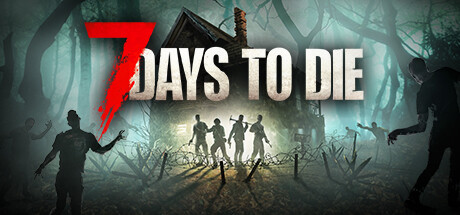
7 Days to Die combines voxel base building, scavenging, crafting, character perks, vehicles, trader quests, and scheduled horde attacks. Groups can divide roles naturally: builders, miners, looters, farmers, mechanics, and fighters. The core group appeal is the shared server loop of preparing together, surviving horde night, then expanding into harder biomes and quests.
...moreless
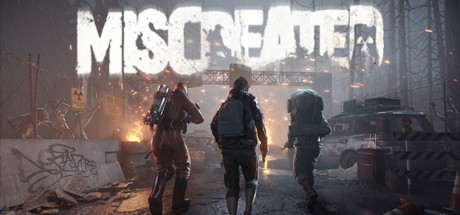
Players loot towns and military sites, build bases, maintain vehicles, fight environmental threats, and deal with other survivors depending on server rules. A group can coordinate as a survival squad for scavenging and defense, but the experience depends on servers and population. The card should flag it as a rough/legacy survival candidate rather than a polished co-op recommendation.

...moreless
PGA TOUR 2K23 focuses on golf rounds, swing timing, course management, created courses, and online competition. Groups can compare scores, play rounds together, or use society-style structures depending on setup. It should be tagged sports/golf/PvP or social competition rather than co-op progression.
...moreless
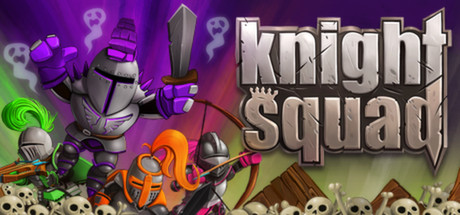
Knight Squad takes top-down arena combat and turns it into short party rounds with pickups, traps, and modes inspired by sports, capture, and survival formats. It is easy for many players to jump into and laugh at the chaos. It belongs as party/PvP rather than co-op campaign play.
...moreless
0 A.D. fits the DB as a free large-group RTS option. Players can set up team games, build economies, scout, and fight with ancient civilizations. It should be tagged strategy multiplayer, not co-op PvE, with open-source/free status as a useful discovery signal.
...moreless
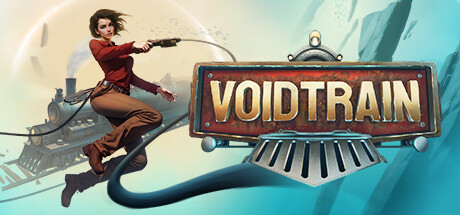
Players gather floating resources, expand train modules, craft equipment, fight enemies, solve encounters, and push deeper through surreal void regions. The shared train acts as a mobile base, making it good for coordinated chores and exploration. Keep the 5+ claim under review if the confirmed cap is lower than the database target.

...moreless
Ylands fits as a flexible sandbox candidate: groups can explore islands, build, craft, or jump into creator-made experiences depending on the mode. It should not be described as pure survival crafting only, because its editor and custom-content side are a major part of the appeal.
...moreless
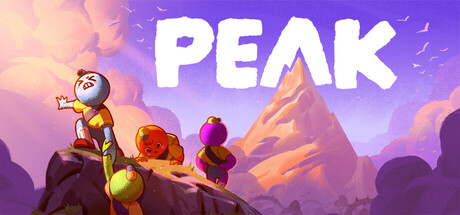
PEAK should show its base game page and mod page/lookup side by side. The native experience is smaller, while the database value comes from a mod-required larger-party workaround for groups that want chaotic climbing together.

...moreless
The game fits the catalog because the player count reaches six without requiring mods, giving larger groups a horror option in the Backrooms subgenre. Players coordinate navigation, objectives, and survival while dealing with maze-like spaces and threats. Keep it in the native co-op horror lane.
...moreless
Warsow is a niche arena PvP option for players who like Quake-style movement and private servers. It is relevant to group discovery as a free/open arena shooter, not as co-op. Current availability and active community should be checked.
...moreless
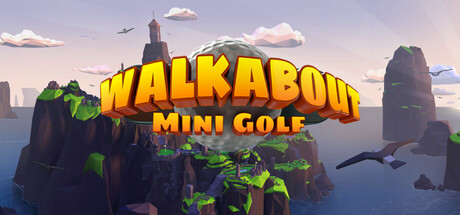
Walkabout Mini Golf focuses on putting physics, course exploration, collectibles, and casual conversation while players move through imaginative mini-golf courses. The group fit is strong for remote social play because the activity is easy to understand and supports friends sharing a course rather than demanding intense coordination. It should be framed as social sports/VR party play, not PvE co-op.

...moreless
Star Conflict is useful for groups that want shared online space combat rather than ground RPG progression. Friends can queue into battles, work ship roles, and participate in PvP or PvE modes, depending on current activity support. It should be tagged as space combat MMO-lite.

...moreless
Killer Queen Black is built around fast asymmetric team decisions: players can fight, collect berries, ride the snail objective, or protect the queen depending on the match state. It works well for 5+ groups because eight players can fill a full match and coordination matters immediately. It should be categorized as PvP arcade/team strategy rather than co-op.

...moreless
Rec Room supports many different experiences, from casual rooms and creative building to PvP games and cooperative quests. The group fit depends heavily on the room or activity chosen, but it is useful for 5+ groups because it offers shared social spaces and user-generated content. It should be tagged as social platform / user-generated multiplayer rather than a fixed genre.

...moreless
Easy Red 2 differs from many PvP shooters because bot-heavy battles and scenario design can make it useful for groups who want a battlefield feel without only relying on populated servers. Group fit depends on exact multiplayer mode and setup. The record should explain whether the group is joining PvP, co-op-vs-AI, or hosted scenarios once verified.

...moreless
Sins of a Solar Empire II blends empire management with real-time fleet battles: players expand gravity wells, develop economies, field capital ships, manage diplomacy, and contest chokepoints. For 5–8 players, the group fit is team strategy or free-for-all space war over long sessions. It should be framed as large-scale strategy, not co-op campaign play.
...moreless
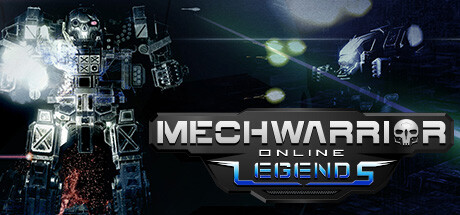
MechWarrior Online supports group play through coordinated drops, roles, weapon ranges, armor facing, and team composition. It is not a co-op PvE campaign; the core is competitive online mech battles. Tags should describe it as mech PvP/MMO-lite-adjacent if needed, not ordinary FPS.
...moreless
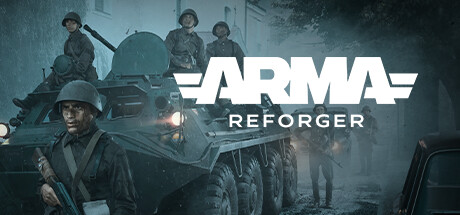
Arma Reforger is less a fixed co-op campaign and more a platform for organized military sessions. A 5–8 player group can run as a fireteam inside larger public or private servers, using combined-arms roles, Game Master scenarios, and modded community content. It should be framed as server-based mil-sim group play rather than casual drop-in co-op.

...moreless
Players collect materials, build workstations, craft gear, cook food, farm, and progress through areas with RPG-like combat and quests. The core loop is structured survival adventure rather than open MMO play. If the DB keeps it for 5+ discovery, the card should be honest that exact group compatibility needs review.
...moreless
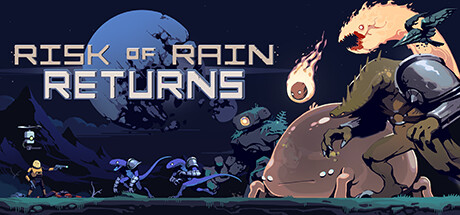
The base game focuses on side-scrolling roguelike runs, item stacking, survivors, and escalating difficulty. Larger group play depends on the specific multiplayer mod remaining current and stable. Keep the base game store identity separate from mod evidence and mark the setup clearly.
...moreless
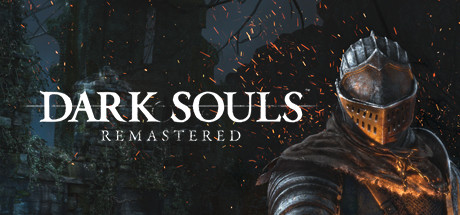
Dark Souls Remastered uses restricted summon-based co-op by default, so the database entry should not imply native 5+ support. Show the base Steam page plus the Seamless Co-op mod evidence and keep the record in the mod-required candidate lane.

...moreless
Gremlins, Inc. fits the 5+ catalog as a competitive tabletop-style option. The group fit is social chaos, card-driven decisions, negotiation, and opportunistic backstabbing rather than co-op progression.

...moreless
Raft starts with a tiny platform and grows into a floating base through gathering, crafting, fishing, farming, cooking, research, and island exploration. For 5–8 players, the fun is dividing simple but satisfying jobs: steering, building, collecting, cooking, defending from sharks, and exploring story locations. It should be tagged as co-op survival crafting rather than server PvP.
...moreless
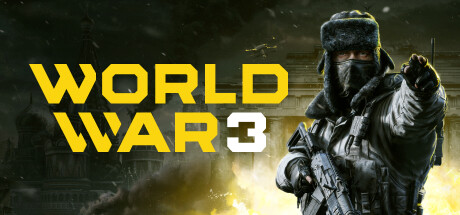
Friends can coordinate as part of a larger team, but the game is not co-op PvE and should not be surfaced as such. The record should emphasize PvP-only or PvP-heavy play, large-match structure, and current activity review if needed. It belongs in battlefield-like FPS filters.
...moreless
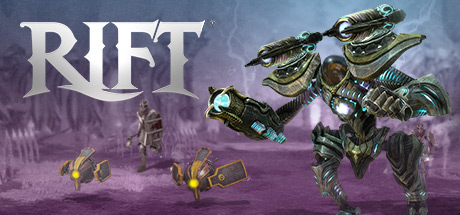
RIFT is relevant for groups that enjoy public events and class/build flexibility. Friends can run dungeons, close rifts, join raids, and work on housing/dimensions, but it is a legacy MMO with population caveats. Tags should emphasize MMO and event-based group play.

...moreless
THE FINALS is PvP and objective-focused. Its group fit depends on current mode party sizes and whether a larger friend group is willing to split or rotate. The record should avoid calling it co-op and should use arena/objective PvP tags.
...moreless
The pack includes multiple games with different player caps and audience support, so it should be treated as flexible party-night content rather than a single co-op game. Its value is accessibility: remote or couch players can join with almost no setup. Keep game-specific caps in mind if adding finer detail later.
...moreless
Florensia should be labeled as MMO/shared-world, not normal co-op. Its catalog value is social MMO grouping and exploration, but service health, current player base, and regional availability need review.
...moreless
The expected appeal is relaxed island living: grow crops, customize spaces, meet characters, collect PuffPals, and explore a soft fantasy world. Its presence in the DB should not imply current 5+ support. Use cozy life-sim candidate framing and verify release status, platforms, and player count before recommending it.
...moreless
The loop combines farming crops, raising animals, collecting materials, completing town requests, crafting decorations, and selling goods through a shop. A group can split between farm upkeep, gathering, building, and decorating in a low-pressure session. It should be described as cozy farming/shopkeeping, not survival crafting.

...moreless
Forged Alliance is one of the defining large-scale RTS games: players manage mass and energy, queue factories, control air/land/naval forces, build defenses, and launch late-game experimental threats. A 5–8 player group can split into teams or coordinate against AI. The group fit is deep macro strategy and large battlefield coordination.

...moreless
Headsnatchers fits the catalog as a competitive party game for groups that want absurd minigame chaos rather than teamwork. Players brawl, grab heads, and score through mode-specific objectives. Its exact player-count support should be verified by mode, but the experience is clearly party PvP rather than co-op.
...moreless
Dragon Raja belongs in the mobile/cross-platform MMO lane. It can support larger groups socially through clubs, events, and shared-world activities, but it may not be ideal for a PC-first group looking for traditional co-op. The card should make platform and MMO context clear.

...moreless
Golf It! focuses on first-person mini-golf with community courses, trick shots, and chaotic physics. Groups can play the same course together, compete for strokes, and rotate through custom maps. It should be tagged sports/party/PvP rather than co-op.
...moreless
The game is deep and demanding, with block-based design, weapon systems, AI, propulsion, armor, and campaign/sandbox combat. Group fit is best for players who enjoy building and tinkering rather than immediate action. Keep it under simulation/sandbox/strategy with setup and complexity caveats.

...moreless
Eight Dragons is relevant because beat-'em-ups rarely support this many players. The core loop is straightforward: choose characters, move through stages, fight waves of enemies, and rely on chaotic group brawling rather than deep progression systems. Because the record may depend on exact store availability and platform features, store links and player-count evidence should be checked during link cleanup.
...moreless
Distance mixes arcade racing with obstacle-course survival: cars jump, rotate, fly, and recover through dangerous neon tracks. It belongs in the catalog as a larger-group racing option rather than co-op, with group value coming from custom races, competitive play, and track variety.
...moreless
Seal Online is a legacy/casual MMO discovery record. Groups can party for leveling and social play, but the practical value depends on active regional servers. The description should keep expectations grounded rather than selling it as a modern co-op game.

...moreless
EA SPORTS FC 25 continues the football sim/arcade sports structure with online matches, team management, and multiplayer modes. For Co-op Your Group, the relevant use case is group sports nights, clubs, or multiple players on/against teams. It should remain sports/PvP and not be mixed with co-op campaign games.
...moreless
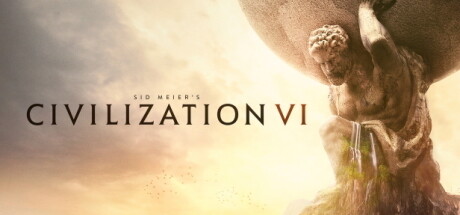
Civilization VI is not co-op-first, but it is a strong 5+ multiplayer strategy option. Groups can play free-for-all, teams, alliances, or slower async-style sessions, with the main commitment being long turn-based campaigns. It should be framed as strategy multiplayer/co-op-adjacent rather than quick co-op.

...moreless
Forza Motorsport is more track-focused than Forza Horizon, emphasizing lap consistency, car classes, tuning, and competitive driving. A larger group can use it for race nights or league-style play, but it is not co-op. It should be categorized as racing/PvP/simcade.
...moreless
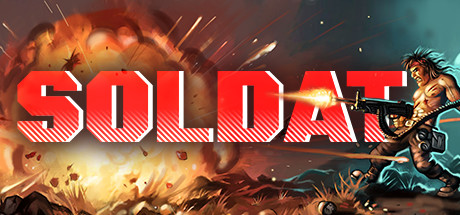
Soldat plays like a mix of side-scrolling action and arena shooter, with players flying, dodging, and fighting across small maps in modes such as deathmatch or team objectives. It works for 5+ groups through servers or private matches, but it is not co-op PvE. It should be tagged 2D shooter/PvP/server.

...moreless
Disc Jam is below the normal 5+ threshold for a single match, but it is a useful comparison record for arcade sports/group-night filtering. Keep it clearly marked as below-target or limited-cap unless future evidence shows a larger lobby or tournament mode that supports the full group at once.

...moreless
Fusion matters because it can be the preferred way to play several Serious Sam campaigns in co-op with updated engine features. The experience is still classic wave-heavy arcade shooting, but the package and content availability depend on which games the group owns. The card should explain it as a platform/hub for Serious Sam co-op rather than a single standalone campaign.
...moreless
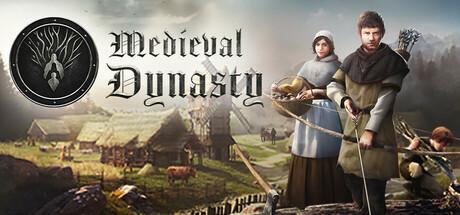
Players gather materials, construct homes and workshops, manage production, raise a family, hunt, farm, and develop a dynasty across years. Multiplayer turns it into a shared village project, with different players handling gathering, building, hunting, and logistics. Keep the description focused on settlement life sim, not generic survival crafting.
...moreless
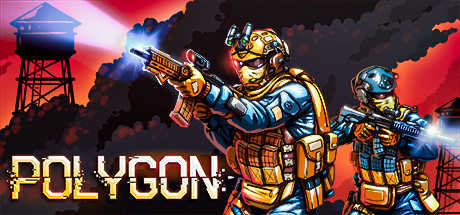
Friends can use it as a lightweight battlefield-style PvP option with larger lobbies and simpler presentation. The record should be kept out of co-op PvE filters and shown only when users are open to PvP shooters. Current activity and server health should be reviewed before recommending it strongly.

...moreless
Players gather resources, build fortifications, craft weapons, and fight for dominance on multiplayer servers. The group appeal is castle construction and faction conflict, but the game is old enough that server health and availability must be reviewed. Present it as a medieval PvP survival sandbox, not a polished co-op game.
...moreless
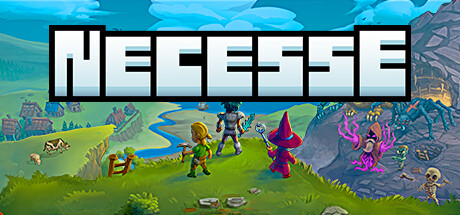
Necesse combines exploration, settlement management, procedural islands, dungeon crawling, crafting, farming, villager jobs, and boss progression. For 5–8 players, it offers natural role splits between builders, explorers, fighters, farmers, and logistics players. It should be presented as a co-op survival/colony sandbox, not generic survival filler.
...moreless
Valorant is a clean fit for exactly five players who want competitive PvP, but it is not a co-op game. Larger groups need custom games, splitting, or rotation. It should be tagged tactical shooter/PvP-only and kept out of co-op-focused results unless PvP is enabled.

...moreless
Battlerite Royale belongs in the PvP/battle-royale lane. Groups may use it for competitive lobbies or squad play where supported, but it is not a direct 5+ co-op recommendation. Current availability should be reviewed because service/population matters for old PvP titles.
...moreless
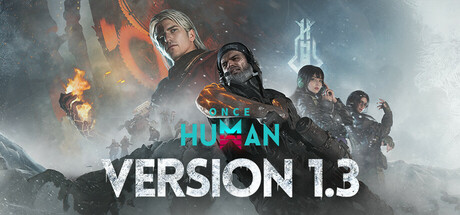
Players scavenge a corrupted world, fight monsters and bosses, build territory bases, craft weapons, and progress through events or seasonal objectives. A 5+ group can coordinate as a hive/warband-style social group even when specific activities have their own caps. The description should emphasize MMO-lite survival and server rules rather than pure private co-op.
...moreless
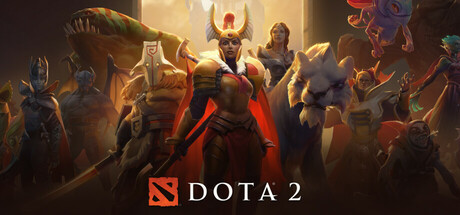
Dota 2 is a group-play staple but not a co-op PvE title. A five-person group can fill a full team, while larger groups may use custom lobbies or split teams. Tags should clearly show PvP/MOBA so it can be filtered separately from cooperative games.
...moreless
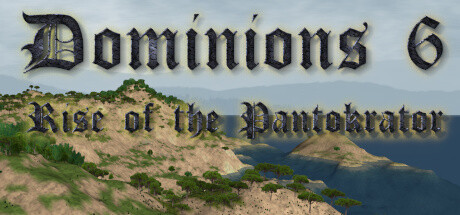
Dominions 6 is highly relevant for strategy groups that want deep asynchronous or long-form multiplayer. It supports many players and complex diplomacy, but it is niche, demanding, and not remotely a normal co-op game. Keep it as a large-group strategy candidate with a complexity caveat.
...moreless
Lost Ark is not a simple fixed-size co-op campaign; it is an MMO with ARPG-style combat and activity-specific group sizes. A 5–8 player group can coordinate through guilds, raids, events, and shared progression goals, though not every activity allows the full group together at once. It is a good catalog fit for groups open to MMO schedules, gear progression, and live-service systems.

...moreless
Ashes of Creation is best kept as a candidate/watchlist MMO entry rather than a finished group recommendation. Its appeal is the promise of player-influenced world development, guild systems, PvX conflict, and large-scale social play. The card should avoid implying it is currently a normal available co-op game unless the release state is verified.
...moreless
Steel Division 2 emphasizes deck building, reconnaissance, morale, line-of-sight, combined arms, and timing across large tactical maps. A 5–8 person group can use it for team battles where coordination across sectors matters. It is a deep competitive/tactical strategy option, not a casual co-op title.

...moreless
Omega Strikers combines air-hockey-style scoring with hero abilities, arena control, knockouts, and quick team coordination. It does not provide co-op campaign progression, but it is a good 5+ catalog entry because a six-player group can fill both sides of a match. Because official development/service status can affect long-term play, the record should be treated as a PvP group candidate with review notes rather than a timeless co-op recommendation.
...moreless
Teamfight Tactics has players assemble champion boards, manage gold, items, synergies, and positioning, then fight automated rounds against the other players in the lobby. It works for a larger group because several friends can enter the same lobby or compare runs, but there is no shared co-op party objective. It should be shown as PvP/strategy/party-adjacent rather than co-op.
...moreless
Terraria gives groups a long progression arc: gather materials, build bases, explore biomes, craft gear, fight bosses, unlock harder world states, and specialize into different combat roles. It works very well for 5–8 players because there are many simultaneous tasks and shared goals. It should be tagged sandbox/action-adventure/server co-op.

...moreless
Rounds revolve around observation, bluffing, routine behavior, and catching small deviations before the outlaw finishes their tasks. It is useful for groups that like hidden-role games but want something more action-driven than pure tabletop deduction. Mark it as PvP/social rather than cooperative.

...moreless
The game can appeal to groups looking for older ARPGs with broader multiplayer possibilities, but current ease of play depends on compatibility and networking setup. Keep the description honest about its age and review status. It belongs in legacy ARPG discovery, not high-confidence modern co-op.
...moreless
Town of Salem 2 gives players secret roles with different abilities and win conditions, then alternates between night actions and daytime discussion/voting. The appeal is reading behavior, lying convincingly, and piecing together role claims. It belongs in the catalog as party/social deduction, with adversarial play clearly visible.
...moreless
The original appeal was Among Us-style suspicion with more real-time action, ship systems, and combat. Because the game's availability and service state may be limited or discontinued, it should be reviewed before surfacing prominently. Keep it as a historical/needs-review social deduction entry.
...moreless
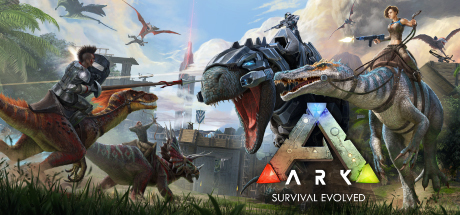
ARK: Survival Evolved centers on resource gathering, engrams, creature taming and breeding, boss progression, caves, raids, and tribe logistics. A 5–8 player group can form a tribe and divide work across builders, tamers, gatherers, crafters, and fighters. The experience varies dramatically between PvE, PvP, official, unofficial, and modded servers.
...moreless
Serious Sam 4 fits groups that want straightforward co-op carnage rather than careful tactical play. Players push through campaign levels together while fighting swarms that often fill the screen. The series' high co-op caps make it a valuable discovery record for 5–8+ groups.
...moreless
Battlefield 1 supports group play by letting friends join the same side and coordinate inside a much larger battle. The appeal is spectacle, vehicles, class teamwork, and objective pushes rather than co-op progression. It should be categorized as large-server PvP FPS so it is not confused with actual co-op shooters.
...moreless
Players either cooperate as survivors or take the monster role, creating tension through sound, hiding, and misdirection. Because the experience includes player-controlled opposition, it should be clearly marked as PvPvE/asymmetrical horror. It can work for 5+ groups, but not as straightforward co-op progression.

...moreless
The game thrives on proximity voice, darkness, bad information, and chaotic logistics as players split up, carry scrap, operate the ship terminal, and die in ridiculous ways. For groups above the native cap, mods such as MoreCompany/BiggerLobby are the relevant path and should be shown clearly. Keep the base Steam page for identity and the mod link next to it.
...moreless
Men of War: Assault Squad 2 emphasizes granular battlefield control: individual soldiers, vehicle crews, ammunition, armor facing, captured weapons, and destructible environments. For a 5–8 player group, it supports tactical team play where players can coordinate fronts or specialize in armor, infantry, support, and defense. It belongs with tactical RTS games, not generic action titles.

...moreless
Life Souls is included because its listed player count hits the 5+ exception lane. Keep the copy conservative until release state, combat design, and actual co-op implementation can be verified.
...moreless
MageQuit mixes arena fighting with draft-like spell selection, letting players assemble increasingly dangerous wizard kits over a match. The game rewards positioning, timing, and reading opponents, but remains accessible as party chaos. It should be tagged as party/PvP/magic brawler rather than co-op.
...moreless
Shaiya belongs in the legacy PvP MMO lane. It can support group play through parties, guilds, and faction PvP, but current server population and version differences matter. It should not be surfaced as a polished co-op recommendation without caveats.

...moreless
Rust revolves around player conflict, base design, resource control, blueprints, firearms, monuments, raids, and server wipes. A 5–8 player group can function as a team or clan, but the game is intensely PvP-oriented unless using PvE/private servers. It should be clearly flagged as server survival with high PvP pressure, not normal co-op.
...moreless
The core loop is familiar survival crafting: collect materials, fight creatures, build bases, and improve gear, with the visual hook that many objects look hand-cut from cardboard. Because the game has a legacy/low-activity feel, it should remain a candidate until current multiplayer availability is reviewed. For the site, frame it as a niche survival sandbox rather than a polished group recommendation.

...moreless
Red Dead Online fits 5+ group discovery as an open-world online sandbox, not a traditional co-op campaign. Groups can ride together, do free-roam events, pursue roles, or enter PvP modes, but exact activity caps vary. It needs PvPvE/open-world framing and should not be labeled normal server co-op.

...moreless
Sonic & All-Stars Racing Transformed is a 5+ candidate because racing lobbies can support a larger group, but its group value is PvP racing. Tracks shift between land, water, and air segments, and players use items and shortcuts to fight for position. It should be tagged as racing/party PvP, not co-op progression.
...moreless
Total Annihilation laid groundwork for the large-scale RTS style later seen in Supreme Commander and Beyond All Reason: continuous resource income, queues, factories, artillery, radar, air/naval/land forces, and escalating war. For larger groups, the appeal depends on community multiplayer setup and willingness to play an older RTS. It should be flagged as legacy strategy where needed.

...moreless
Victoria 3 focuses on economic systems and political management more than direct tactical warfare: players guide laws, interest groups, production chains, markets, diplomacy, and standard of living. For 5–8 players, it works as a long multiplayer campaign where the fun comes from trade, politics, and historical divergence. It should be framed as grand strategy/economy sim.

...moreless
EverQuest II offers a more quest-driven and systems-heavy alternative to the original EverQuest. Groups can level, run dungeons, decorate housing, craft, and raid, but the current experience depends on server rules and expansion state. It should be tagged as classic/legacy MMO group play.
...moreless
C9 should be treated as an MMO/action-RPG record rather than normal session co-op. It can support larger groups through MMO/social context, but exact active-service status, region availability, and current population should be reviewed before surfacing it strongly.

...moreless
DungeonBox is more party/tabletop RPG than conventional PC co-op. It fits the catalog because it gives 5+ people a lightweight group adventure format, but users should be shown the phone/controller setup clearly.

...moreless
BattleBit is useful for groups that want to jump into the same large PvP server and coordinate casually or as a squad. It is not a PvE co-op game, but the large teams make it easy for 5–8 friends to play on the same side. The visible tags should emphasize large-server FPS and PvP rather than generic FPS alone.

...moreless
Holdfast is a social PvP spectacle more than a conventional shooter. Groups can join public servers, regiments, events, or private matches and coordinate as infantry, musicians, officers, artillery, or sailors. It should be tagged as large-server PvP and community-event friendly.

...moreless
Drakensang Online is closer to an MMO-lite ARPG than a traditional party RPG. Groups can run content and progress characters together, but the experience depends on current server availability and account systems. It should be classified as online action RPG/MMO rather than clean native co-op.

...moreless
The defining hook is time pressure: players need serum to survive while exploring, fighting creatures, and crafting better tools or equipment. It is more directed survival thriller than open server sandbox. Keep the description specific to the serum mechanic and mark group compatibility for review if 5+ is not confirmed.

...moreless
Creativerse offers Minecraft-like block building with crafting progression, creatures, biomes, and player-made worlds. A group can split into builders, explorers, and resource gatherers while shaping a persistent space together. It should be tagged sandbox/survival/building, with server or world-sharing context visible.

...moreless
Eternal Return plays like a hybrid of battle royale, MOBA, and survival game: players pick characters with distinct abilities, loot and craft equipment, fight wildlife and opponents, and rotate through restricted zones until the final team survives. The database keeps it as a 5+ group-relevant PvP title because matches support more than a small co-op party, but the practical group fit is competitive team play, custom organization, or rotating squads rather than shared PvE progression.
...moreless
Unspottable works for groups because it turns observation, bluffing, and sudden panic into quick rounds. Players blend into NPC crowds, watch for suspicious movement, and strike when they think they have found a human opponent. It is primarily a party PvP/social deduction pick, not co-op PvE.

...moreless
Battlefield 3 belongs in the large-server FPS lane. A group can coordinate as a squad, cover different classes, and work vehicles or objectives, but the core experience is competitive multiplayer. It should not be surfaced as a direct co-op option without PvP filtering.
...moreless
The core game is puzzle-focused rather than a straightforward 5+ co-op title, so the record should not be promoted without checking the exact mode that justified inclusion. If it remains in the catalog, frame it as a community/puzzle curiosity with unclear group fit. Avoid presenting it as confirmed multiplayer support.
...moreless
Gates of Hell: Ostfront expands the Call to Arms formula into a more detailed WWII tactical game with armor penetration, infantry equipment, direct control, fortifications, and scenario-driven combat. For larger groups, it offers team-based battles and cooperative-style play where players can divide responsibility across fronts, vehicles, support weapons, and objectives. It should be framed as tactical RTS/combined-arms play.
...moreless
The group fit comes from joining the same world, public events, expeditions, base visits, and long-term account progression rather than one fixed 8-player co-op campaign. It should be flagged as MMO-lite/shared-world so users understand that their group may split across formal teams. Keep it separate from private-session survival co-op.

...moreless
Dungeon Lords Steam Edition is relevant because it is an older RPG that can reportedly support up to eight players. The record should preserve its classic/rough-edge framing so users know this is a legacy dungeon-crawler option, not a modern polished ARPG.

...moreless
The game emphasizes scavenging towns, managing hunger and thirst, fighting infected, building or fortifying bases, and using vehicles to range farther into danger. A group can divide tasks between looting, farming, crafting, and defense. This should be described as zombie survival rather than generic crafting, with 5+ status kept under review unless sourced.

...moreless
Like other Jackbox packs, the value is low-friction group participation: one hosted screen, browser-based controllers, and games designed around jokes, voting, and social reads. Individual minigame player caps vary, so detailed filtering should use pack/game specifics if added later. Keep it in the party/social lane rather than co-op PvE.
...moreless
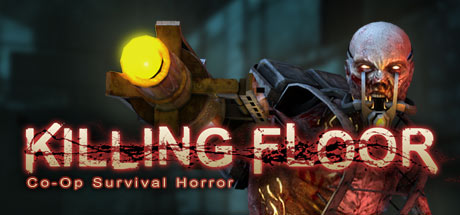
Killing Floor is a clean co-op shooter fit for 5+ groups because the default experience is already team PvE. Players hold positions, manage money, cover roles, and prepare for boss waves across maps. It is older than Killing Floor 2 but still useful as a native larger-party horde shooter entry.
...moreless
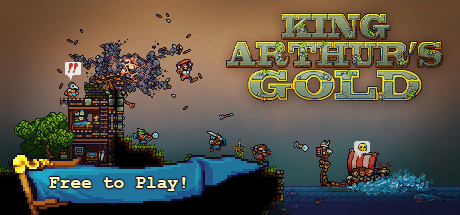
King Arthur's Gold is not a normal co-op survival game; its group value comes from team-based battles, destructible fortifications, class roles, and shared server objectives. Friends can coordinate as builders, fighters, and archers in larger matches. It should be framed as PvP-with-building/server action, not pure co-op.
...moreless
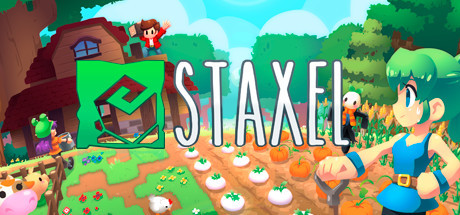
Staxel is a low-pressure farming sandbox with multiplayer support that fits groups looking for a relaxed shared-world project. The gameplay centers on farming, collecting materials, building, decorating, and improving a town rather than combat difficulty. It is a good catalog entry for cozy builders, especially if server or hosted-world setup is made clear.
...moreless
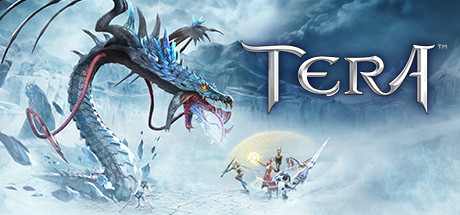
TERA should be treated carefully because the official PC service shut down, even though console versions and private/community contexts may differ. Historically it was a notable action MMO with strong dungeon combat, but the database should not present it as a normal PC co-op option without availability review.

...moreless
Players throw balls, dodge attacks, use arena gimmicks, and compete through short arcade-style matches. The appeal is couch-friendly chaos and quick rivalry, not campaign teamwork. It should sit in party/sports/PvP filters with a clear local-multiplayer framing.
...moreless
Quake Champions is a PvP arena shooter. It can work for group nights through custom or team modes, but its core appeal is competitive mechanical skill and map control rather than co-op progression. It should be tagged as arena/PvP.
...moreless
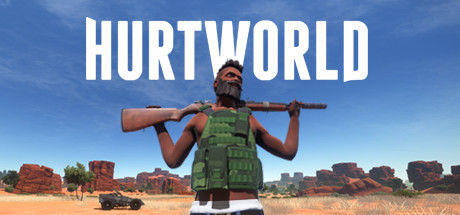
Players survive harsh environments, collect gear, build shelters, and compete or cooperate depending on the server. The group value is joining the same survival server and working together socially, while the risk is that the game is PvP-oriented and older. Keep it tagged as survival/server/PvP-risk rather than direct co-op.
...moreless
Escape from Tarkov sends players into dangerous raids where they loot, fight AI and players, complete tasks, manage injuries, and extract with gear. A 5-player squad can play together in some raid contexts, but the game is punishing, PvPvE, and not suitable for every co-op group. It should be flagged as extraction/PvPvE, not PvE co-op.

...moreless
Halo Infinite can work for larger groups through Big Team Battle, custom games, Forge maps, and same-party multiplayer, while campaign co-op has its own constraints. It should be described as mode-dependent rather than pure PvP or pure co-op. The best group use case is custom/BTB-style play for 5+ friends.
...moreless
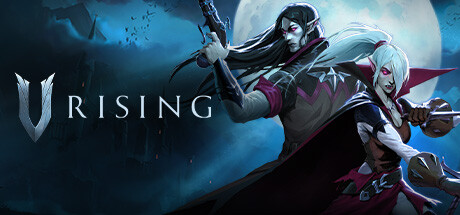
V Rising blends ARPG combat with survival/castle building: players gather materials, refine resources, unlock powers from bosses, build vampire castles, craft gear, and fight in PvE or PvP worlds. For 5–8 players, the key is server configuration because default clan/group limits may not match the desired group size. This record should show config/server support rather than presenting it as simple native lobby co-op.
...moreless
The game’s value for this catalog is historical and edge-case survival discovery: it had shared-world survival tension, PvP risk, and monster threats. Current availability, population, and server practicality need review before users rely on it. Keep the card conservative and avoid implying stable friendly co-op.
...moreless
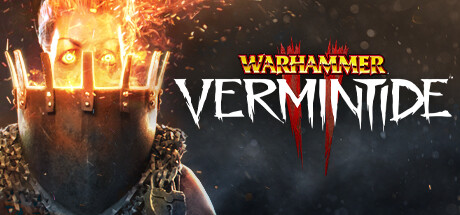
Officially, Vermintide 2 is tuned for four heroes fighting through mission objectives, specials, bosses, and end-of-level rewards. Larger-player mods or modded-realm setups should be treated cautiously because they may affect balance, compatibility, and progression expectations. The card should clearly show mod-required status and avoid presenting it as native 5+ support.

...moreless
Night of the Dead is a plausible group survival candidate because its core loop naturally supports division of labor: scavenging, building, crafting, and defending against zombies. Exact current player cap and server setup should be verified, but the game-specific framing should focus on horde defense rather than generic survival text.
...moreless
Players gather resources, build shelters, craft equipment, unlock abilities, and push into dangerous regions with a light RPG progression structure. Groups can coordinate exploration, boss attempts, and base work, but exact support depends on the current multiplayer/server cap. The card should emphasize fantasy survival RPG rather than generic survival boilerplate.

...moreless
BlackStump belongs in the cozy/social co-op lane rather than survival pressure. Keep as a native 8-player candidate, especially for groups looking for lower-stress building and life-sim play.
...moreless
Dragon Nest is a legacy action MMO where the group fit is dungeon running, leveling, and class synergy. It is more arcade-action focused than many MMOs, but current regional availability and population should be reviewed. It should not be described as a generic open-world MMO.
...moreless
Players pilot agricultural mechs to clear land, plant crops, gather resources, build structures, and improve a colorful frontier environment. A group can divide farm chores, exploration, and construction in a low-stress session. Keep the description focused on cozy farming and mech utility, with exact 5+ player compatibility verified separately.

...moreless
Zero Hour is more relevant to co-op groups than many tactical shooters because PvE mission play is part of its appeal. Players coordinate entries, cameras, doors, power, and equipment while clearing buildings. The exact 5+ fit should be tied to verified mode caps, but the description should not label it as pure PvP if co-op modes are supported.

...moreless
RimWorld is normally a single-player colony sim about survivors, construction, raids, disasters, medicine, moods, animals, and emergent storytelling. The Multiplayer mod path allows groups to share colony control, making it a potentially strong 5+ group sandbox if everyone is comfortable with mod setup and synchronization limits. This record must keep the base RimWorld store identity plus the mod evidence/source.

...moreless
King of the Hat is a small-party arena brawler where players throw, defend, and recover hats while trying to smash opponents’ hats first. It is relevant for groups that want quick competitive rounds, but the exact 5+ fit depends on the supported local/online mode and should stay under review if player-count evidence is thin.
...moreless
Age of Mythology: Retold blends classic RTS economy and army control with god powers, mythological creatures, and civilization pantheons. For a larger group, it is best used through team matches, custom lobbies, or human teams against AI. The appeal is chaotic strategy with spectacle: earthquakes, meteors, hydras, minotaurs, and coordinated attacks across multiple fronts.

...moreless
Nightingale sends players through procedurally influenced realms using cards, with gathering, crafting benches, estate building, gear progression, and PvE combat. For a 5–6 player group, the appeal is shared exploration and building across fantasy survival spaces. This record should keep source review notes because online systems and player limits may change with updates.

...moreless
Laser League is a PvP arena sports title rather than co-op. It can support a larger group through team matches, but it should be labeled as competitive group play so users do not confuse it with PvE co-op.

...moreless
Warzone 2100 is a good free strategy candidate for 5+ groups that want classic RTS skirmishes. It is not co-op-first, but players can organize teams or free-for-all matches. The card should emphasize open-source RTS multiplayer and custom vehicle design.

...moreless
Galactic Civilizations IV is a candidate for larger strategy groups because its multiplayer value is in long-form space empire competition. It is not a casual co-op game; players need to want 4X pacing, diplomacy, and large strategic commitments. Exact multiplayer caps and practical session fit should stay under review.
...moreless
Friends can fly routes together, meet at airports, follow real-world navigation, or create group events, but the game is not built around party-based objectives in the usual sense. Its value is simulation, exploration, and shared presence. Keep it under simulation/social multiplayer and verify current multiplayer specifics as the release evolves.
...moreless
The group fit comes from playing in the same persistent world, helping with quests, and coordinating around PvE/PvP activity rather than forming a simple 5-player lobby. Because it has MMO structure and shooter combat, it needs MMO/PvP-risk flags visible. Do not describe it as generic survival crafting co-op.
...moreless
Rather than one fixed game loop, Minetest is a moddable engine/ecosystem with different games and servers layered on top of it. Groups can use it for Minecraft-like building, survival, creative play, or custom worlds, depending on server setup. Keep it as an open-source/server sandbox record, not a curated co-op campaign title.

...moreless
Wargame: Red Dragon is known for deck building, combined arms, line-of-sight, morale, logistics, and large maps with many unit types. A 5–8 player group can use it for coordinated team battles where players cover sectors and roles. It is a deep competitive tactics game, not a cooperative campaign title.
...moreless
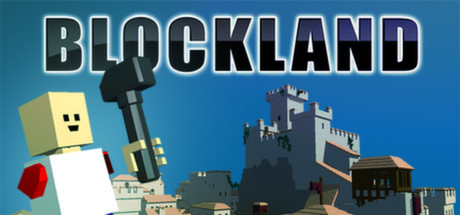
Blockland is a legacy sandbox/server record. Its value for groups comes from construction, custom minigames, roleplay servers, and player-made worlds, not a directed campaign. Because it is older and availability/community activity may vary, the record should be kept with legacy/server caveats.

...moreless
Shrouded Aspect belongs near Stolen Realm in the tactical RPG exception bucket. Because source detail is thin, keep it as source-reviewed but still worth follow-up for exact mode, activity, and campaign structure.

...moreless
S&box is best treated as a platform/community-server candidate. Its 5+ value depends entirely on the specific mode or server being played, so the record should emphasize custom content and configuration rather than a fixed co-op experience.

...moreless
Age of Empires III: Definitive Edition plays faster and more asymmetrically than older Age of Empires entries, with home-city cards, trade routes, native alliances, artillery, and civilization-specific economies. Larger groups can use team games or comp-stomps to coordinate fronts, share map control, and experiment with civ combinations. It should be categorized as strategy group play with PvP/PvE match options.
...moreless
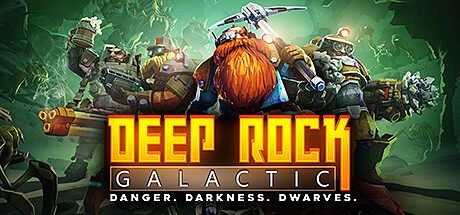
Each class contributes a different traversal or combat role, so the group loop is about drilling, lighting, platforming, mining, and surviving escalating waves on the way to extraction. The official game is designed for 1-4 players, which is why it should not be marked as clean native 5+. For larger groups, keep the Steam page tied to the base game and expose the mod evidence separately so users understand the setup requirement.
...moreless
Flyff Universe is a nostalgic MMO entry for groups that enjoy older grind-based leveling and light social play. Its distinctive feature is flight and a simple fantasy MMO loop rather than deep dungeon design. The record should be treated as casual/legacy MMO with current server-state review.
...moreless
Players explore a procedural fantasy world, fight creatures, gather materials, and progress through character and gear systems. The project’s value is community-driven development and multiplayer exploration rather than a polished commercial campaign. Keep it tagged as MMO-lite/open-source/server and preserve needs-review caveats around activity and hosting.
...moreless
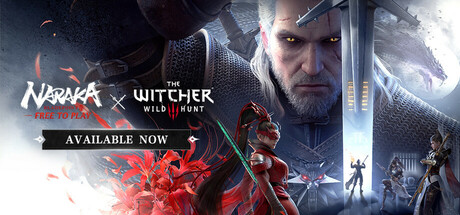
NARAKA is a PvP-first game, not a co-op PvE title. It is included for larger group discovery because squads, custom matches, and large competitive lobbies can still support group play, but the core experience is fighting other players rather than progressing together through a campaign. User-facing tags should make the PvP-only nature clear so it does not appear as a normal co-op recommendation.
...moreless
Dofus is relevant because it blends MMO social structure with tactical party combat. Groups can coordinate classes, professions, dungeon runs, and economy goals, while fights play out on grids instead of real-time hotbar combat. It should be tagged as MMO plus tactical/turn-based rather than generic fantasy MMO.

...moreless
Players roam a large fantasy world, build characters, complete quests, and collect gear in a looser ARPG structure than Diablo-style dungeon runs. The game is valuable because older ARPGs sometimes supported larger parties, but users may need workarounds or legacy setup knowledge. Keep it marked as source-review/legacy until confirmed.
...moreless
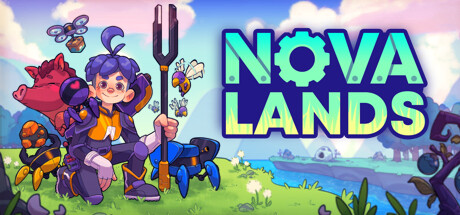
Players explore small islands, collect resources, craft machines, automate production with bots, and expand a compact base economy. The core appeal is optimization and automation, not survival pressure. If included for group discovery, keep multiplayer compatibility as a review item and avoid implying confirmed 5+ server play.
...moreless
AoTTG2 should be treated as a fan-game/community-server candidate, not a polished commercial release. It can support very large listed player counts, but exact mode quality, server reliability, and fan-project status should remain visible caveats.
...moreless
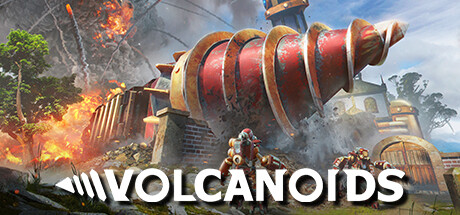
Players use the drillship as a moving base, gather resources, craft modules, fight COG robots, and time expeditions around eruptions. A group can split between ship upgrades, resource runs, combat, and navigation. The card should emphasize drillship survival and PvE raids, not generic base-building.

...moreless
The base game is single-player, so all 5+ value comes from installing and coordinating around the Skyrim Together Reborn mod. Groups should expect mod compatibility limits, synchronization quirks, and setup work before playing. The card should show the base Skyrim store identity plus the mod page or mod lookup clearly.
...moreless
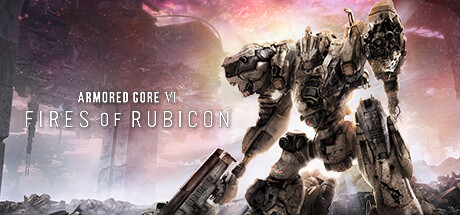
Armored Core VI is not natively a co-op campaign game, so this record must be visibly mod-required. The group appeal is shared mech missions and boss fights, but compatibility depends on the co-op mod and everyone setting it up correctly.
...moreless
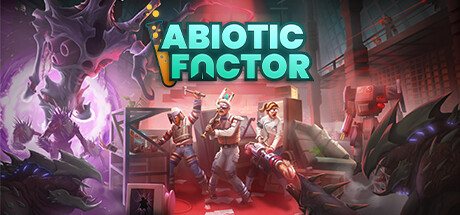
Abiotic Factor combines Half-Life-style science-disaster atmosphere with survival crafting, base building, cooking, power management, character skills, and strange enemies. For 5–6 players, it works especially well because the group can divide research, crafting, defense, exploration, and logistics. It should be treated as confirmed native co-op, not an unknown workaround record.

...moreless
Reign Of Dwarf should stay low-confidence until the store/source details are verified. The likely group fit is server-based crafting, building, combat, and possibly PvP, but the current DB should avoid overclaiming. Use fallback wording until player cap, modes, and activity are confirmed.
...moreless
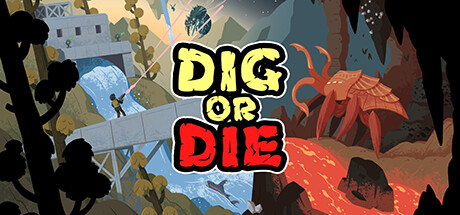
The core loop is to gather materials during exploration, craft better equipment, build physics-aware defenses, and survive escalating night attacks. Unlike pure sandbox games, the pressure comes from waves and progression toward escape. The record should focus on base defense and engineering, while keeping player-count compatibility marked for review if not source-confirmed.
...moreless
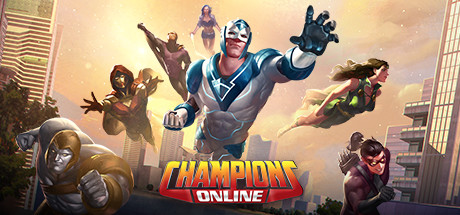
Champions Online is useful for groups that want superhero character creation and casual MMO grouping. Friends can build very different heroes, run alerts or missions, and participate in events, but the game is a legacy MMO with population and content-age caveats. Its card should emphasize superhero MMO rather than generic fantasy co-op.

...moreless
New World supports 5+ groups through factions, companies, open-world play, crafting/economy projects, PvP, and larger activities, while some expeditions use smaller party sizes. It is a good fit for groups that enjoy gathering, crafting, action combat, and shared server progression.

...moreless
Eydigard is best framed as an open-world RPG with survival/base-building overlap. It is valuable for groups looking for something between Valheim-style exploration and RPG progression, but it should remain subject to source/release review.
...moreless
OpenSpades belongs in the catalog as a community/legacy FPS option rather than a polished store-front co-op game. Its appeal is the old voxel-shooter loop: dig, build cover, destroy terrain, and fight over team objectives on community servers. The record needs clear source/link treatment because availability and server activity matter more than normal Steam metadata.
...moreless
Nexuiz Classic is a legacy arena-shooter record. It may still matter for open-source or nostalgia discovery, but modern install paths, community servers, and active support should be reviewed. It is PvP-only group play, not co-op.
...moreless
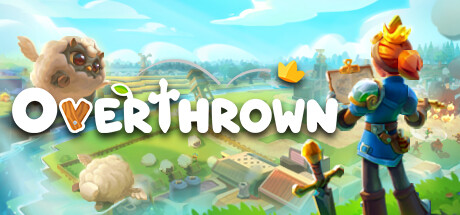
Overthrown fits the native 5+ exception lane because it combines city-building, survival-lite pressure, and action sandbox play for up to six players. It should be framed as co-op building/kingdom management rather than generic survival crafting.
...moreless
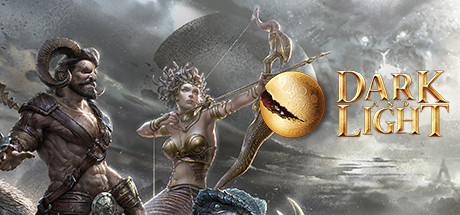
The game mixes Ark-like survival systems with spells, fantasy mounts, harvesting, fort construction, and PvE/PvP server play. A group can coordinate gathering, taming, base defense, and exploration, but the experience depends heavily on server settings and current game health. Mark it as a server survival candidate rather than a clean curated recommendation.

...moreless
BrainBread 2 is a messy but relevant zombie shooter candidate because it supports server play and modes beyond standard four-player co-op. It should be reviewed for exact current caps and mode quality, but the description should emphasize zombie survival/action and mixed-mode servers.
...moreless
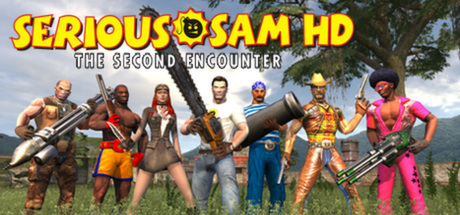
The Second Encounter is often considered one of the best classic Serious Sam campaigns for co-op chaos. Groups fight through dense waves, traps, arenas, and boss encounters while constantly moving and sharing pickups. It is a clear native co-op shooter fit.
...moreless
This record likely overlaps with the main Lost Ark entry and should be reviewed for region/duplicate handling. The game itself is an MMO/ARPG hybrid where larger groups can coordinate through raids, guilds, and shared progression, but access and regional account requirements are the important caveats.

...moreless
Icarus is structured around missions and open-world survival: weather events, oxygen, food, wildlife, crafting tiers, base building, mining, and extraction-style objectives. A 5–8 player group can divide labor across hunting, mining, construction, scouting, and combat. It is more mission-oriented than many survival sandboxes, which can make group sessions easier to organize.

...moreless
Synergy is a community co-op path for Source-engine content. Its value is letting groups play through campaign-like maps together rather than competing. The record should make setup/source expectations clear and avoid presenting it as a modern standalone shooter.

...moreless
Obsidian Conflict belongs in the mod/community-server lane rather than the normal Steam game lane. Its value is letting groups play Source-engine co-op maps and scenarios with more players than standard story campaigns allow. The record should preserve the base/source/mod identity and be clear that setup/availability may require community knowledge.

...moreless
Groups can use it for vehicle experiments, roleplay, races, destruction, or server-based chaos depending on the lobby. The fun comes from creation tools and emergent physics, not a campaign. Keep sandbox/server/PvP-risk tags visible so users understand what kind of group activity it offers.

...moreless
Realm of the Mad God Exalt combines MMO-style public worlds with fast bullet-hell combat, loot chasing, class unlocks, and permadeath pressure. Groups can roam realms, join events, and enter dungeons together, though many activities include public players beyond the friend group. It should be tagged MMO-lite/roguelike/bullet hell rather than small-party co-op only.

...moreless
Groups can play together through free companies, alliance content, normal and high-end duties, events, and shared social spaces, although many specific dungeons use smaller fixed party sizes. The card should flag MMO clearly so players understand the group fit is persistent-world and activity-based. Do not show it as ordinary online co-op.

...moreless
The game sends survivors through tightly paced campaigns across the Deep South, mixing hordes, special infected, safe rooms, and dynamic difficulty shifts from the AI Director. It is one of the clearest examples of a below-target game that still matters because community servers and mutations can support larger groups. Keep it as mod/server-required for 5+ play, not as clean native co-op.

...moreless
The game works well for local or online party competition because custom games can support more players than many fighters. It is highly accessible but still competitive, with no PvE co-op campaign as the primary fit. Keep it under fighting/party/PvP filters and out of co-op-only results.

...moreless
Players build vehicles from blocks, gather resources, fabricate parts, fight enemies, and expand industrial bases. A group can specialize into vehicle design, mining, exploration, and base logistics if multiplayer support fits. The description should highlight modular machines and resource automation rather than generic survival crafting.

...moreless
Northgard is slower and more survival-oriented than many RTS games: players manage villagers, food, wood, winter, lore, military units, and territory tiles. For a 5–6 player group, it can work as team strategy or comp-stomp play with clear roles and manageable match length. It should be framed as strategy group play, not survival crafting.
...moreless
Tarisland is a modern MMO candidate for groups that want accessible dungeon and raid progression without an older MMO backlog. It supports social/group play through guilds and instanced content, but the catalog should still verify activity caps and regional service state.
...moreless
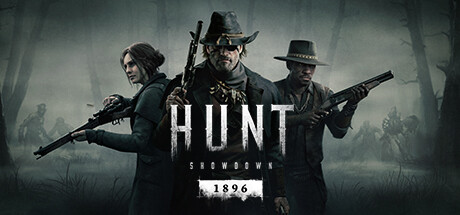
Hunt is not a normal 5-person co-op game because team sizes are smaller than the total match population. It remains relevant as a group-adjacent PvPvE title because multiple friends may enjoy rotating teams, spectating, or playing within the same competitive ecosystem. The card should make the extraction/PvP pressure clear rather than presenting it as straightforward co-op.
...moreless
Dauntless should be treated as shut down/unavailable unless a current replacement service exists. Historically it fit groups through co-op Behemoth hunts and progression, but official servers were shut down in 2025, so the card must not imply a normal playable 5+ option.

...moreless
The game focuses on surviving an open world by looting, crafting, building shelters, and dealing with PvE/PvP-style threats depending on server rules. A group can coordinate base construction, gathering, scouting, and defense, but the exact group fit depends on current access and server health. Keep it as a candidate until reviewed against current availability.
...moreless
OpenArena is a free/open-source PvP group option, not co-op. It is useful for private servers, LAN-style play, bots, and old-school arena shooter nights. Tags should mark arena shooter and PvP so it does not appear in co-op PvE lists.

...moreless
Eden Star belongs in the database as a legacy survival-craft candidate, not a polished active co-op recommendation. Its hook is building and defending bases with sci-fi tools and environmental manipulation. Because development/activity status may be a concern, the record should keep review warnings until verified.
...moreless
BAPBAP belongs in the PvP group-game lane. It can support several friends in the same lobby or team structures depending on mode, but the experience is competitive and match-based. Tags should highlight hero brawler/PvP instead of co-op.

...moreless
Forza Horizon 4 is more approachable than a racing sim, with open-world driving, seasonal events, car collecting, races, and shared-world activities. A group can cruise, race, or join events together, but the main gameplay is competitive or parallel progression rather than cooperative objectives. It should be tagged racing/open-world/social PvP.
...moreless
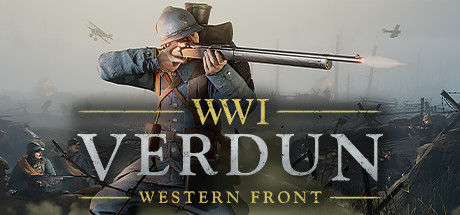
Verdun is a historical PvP entry for groups that want slower, themed, communication-heavy combat. Friends can coordinate as a squad inside larger battles, but there is no normal co-op campaign loop. It should be grouped with Tannenberg and Isonzo.

...moreless
The mod changes how Elden Ring co-op works by reducing summon-session friction and supporting a larger shared journey through the open world and bosses. Because it relies on external mod setup, the UI should show Mod required and expose the mod page. Keep the base Elden Ring store link for banner/download identity.

...moreless
Eco is not just a generic survival craft game; its hook is social organization. Players create laws, trade goods, specialize in professions, manage pollution, and coordinate long-term infrastructure on a shared server. It is a strong 5+ candidate because more players can make the world feel like an actual economy, but it works best with a group willing to schedule and cooperate over many sessions.

...moreless
Quake Live is useful for groups that want a classic private-server arena shooter. It supports more than four players in many server configurations, but the experience is entirely competitive. The card should stay short and clear: arena shooter, PvP, server-based.
...moreless
City of Heroes is one of the better MMO fits for a larger casual group because superhero teams are core to the fantasy: tankers, defenders, controllers, blasters, masterminds, and other archetypes can combine in flexible team sizes. Homecoming should be marked as community/live-service MMO rather than a normal Steam title.
...moreless
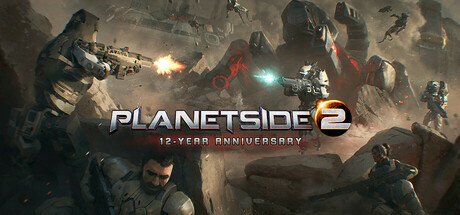
PlanetSide 2 is not a traditional co-op campaign or small server shooter. A 5–8 player group can play together as a squad inside much larger battles, coordinating infantry pushes, vehicle columns, air support, or base defense. It should be classified as MMO/MMOFPS and PvP-focused, not as ordinary server co-op.

...moreless
Killing Floor 3 belongs in the native co-op shooter lane if the current player cap remains verified. Like the rest of the series, the likely group fit is coordinated PvE horde survival rather than PvP. Because release-state and balance can change, keep source review current while preserving it as an obvious 5+ target.
...moreless
Gartic Phone works well for 5+ players because the fun scales with miscommunication: one player writes a prompt, another draws it, the next guesses the drawing, and the chain continues until the reveal. It needs no Steam install and is better framed as a social party-night pick than as co-op or competitive progression.

...moreless
Stolen Realm is a clean native 5+ find and exactly the kind of game the exception sweep was meant to catch. It gives a larger group a party-based RPG option with tactical positioning, buildcrafting, itemization, and both campaign and replayable roguelike structures.
...moreless
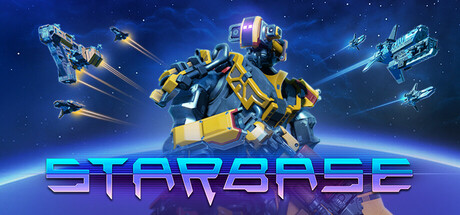
Players construct ships from components, mine resources, run factories, participate in markets, and collaborate inside corporations or station projects. A 5+ group can crew ships, build infrastructure, or handle industry logistics together. The description should emphasize engineering MMO sandbox and note that current population/service state affects its practical value.

...moreless
Players answer provocative or awkward prompts and try to predict how others will respond, which makes the fun heavily dependent on the group’s comfort level. The record is useful for broad party discovery, but not for players looking for PvE, progression, or action. Keep it clearly marked as party/social.
...moreless
League of Legends has players choose champions, lane or jungle, contest objectives, and coordinate team fights to destroy the enemy Nexus. A 5-person group can play as a complete team, while larger friend groups can split across custom games or rotate. The database should frame it as a major PvP team game with full-squad value, not as a co-op RPG or MMO-style entry.
...moreless
PolyTrack should remain a low-confidence browser racing candidate. Its appeal is accessible time-trial/racing play for a larger group, but multiplayer is beta/experimental and should be labeled accordingly.

...moreless
Players coordinate through proximity voice, carry awkward valuables, buy upgrades, and try to stay quiet while dangerous creatures react to the environment. Its six-player support makes it especially relevant for the catalog's target group size. Keep it in the native co-op horror lane rather than treating it as a generic survival game.
...moreless
The game’s appeal is running a homestead, exploring towns and wilderness, building relationships, and engaging with RPG events in a hand-painted world. If included in the DB, it is best kept as a review candidate until multiplayer status is verified. The description should be life-sim/RPG specific and avoid survival-server wording.

...moreless
Double Action: Boogaloo is a party-friendly PvP shooter rather than a serious tactical game. A group can pile into servers for silly action-movie combat, but there is no co-op campaign hook. Its card should emphasize style, movement, and PvP chaos.
...moreless
Shredder's Revenge is one of the cleanest native fits for a six-person arcade group. The game is built around short, readable stages, crowd-fighting, simple combos, and nostalgia-heavy presentation, so it works well for casual group nights. It has less progression depth than RPGs, but the immediate drop-in brawling is exactly what makes it strong for a full couch/online party.

...moreless
EVE is one of the strongest large-group social games in the database, but it is not casual co-op. A 5–8 player group can mine, explore wormholes, roam in small gangs, haul, build industry chains, or join larger alliances. The fit is social sandbox MMO with high PvP/economic risk, not a normal campaign game.
...moreless
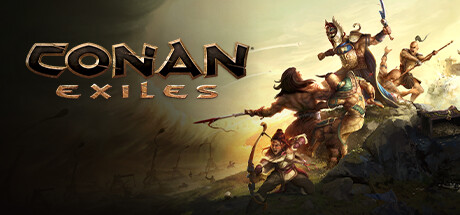
Conan Exiles offers survival crafting, building, combat, religion, thralls, mounts, dungeons, purges, and PvE/PvP server rules. For 5–8 players, it works as a clan-based server game where roles can split across construction, resource gathering, crafting, exploration, and combat. Server settings matter a lot for whether the experience is cooperative, competitive, or grind-heavy.
...moreless
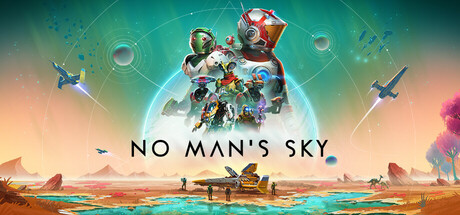
No Man's Sky offers planetary exploration, base building, freighters, ship collecting, missions, crafting, settlements, expeditions, and multiplayer hubs. For 5–8 players, the best fit is social exploration, shared bases, missions, and community activities rather than tight party-based co-op. It should be tagged as exploration sandbox with MMO-lite/social elements where appropriate.
...moreless
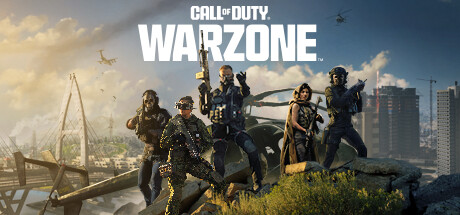
Warzone is not co-op PvE. It belongs in the competitive group-play lane: friends can squad up or rotate through battle royale/resurgence-style modes, but a 5–8 group may need to split depending on squad size. The card should be clearly marked PvP/battle royale so it does not show up as a normal co-op game.
...moreless
Stormforge currently lacks enough clean DB evidence to describe confidently. Keep it as an unknown/needs-review record until the exact game, store page, multiplayer modes, and player cap are confirmed. Do not fill it with survival boilerplate or promote it as compatible.

...moreless
Warfighter should be treated as a legacy PvP candidate rather than an active co-op recommendation. It may have supported group-scale multiplayer historically, but current access and server status need review. Keep it low prominence until the link and multiplayer availability are verified.
...moreless
Sons of the Forest combines survival crafting with horror exploration, caves, story progression, AI companions, base building, and hostile enemy behavior. For 5–8 players, it can be a strong group horror-survival experience because exploration, construction, defense, and cave runs all benefit from coordination. It should be tagged as co-op survival horror, not generic survival crafting only.
...moreless
Dirty Bomb should be treated with service-status caution. It was built around team PvP and objective maps, making it a possible group shooter historically, but current server/support availability needs review before it appears as a normal active option.

...moreless
Black Ops III is one of the more group-interesting COD entries because of Zombies and PC custom content, but its exact 5+ suitability depends on mode and mods/maps. Standard modes do not all support the same party size. Keep it as a mode-dependent shooter entry, with PvP/custom/Zombies context made explicit.
...moreless
TrackMania Nations Forever provides fast restarts, precise arcade driving, and large server racing where many players chase the best time on the same track. It is a good fit for groups because competition is constant but low-commitment. It should be tagged racing/time-trial/PvP.

...moreless
Like other Jackbox packs, players connect through a room code and use phones as controllers, which makes it easy to include non-gamers or remote friends. Exact limits depend on the individual game inside the pack, with some supporting audience play beyond active players. Mark it as party/native, not co-op campaign.

...moreless
UT3 is a legacy PvP arena shooter. A group can use it for private matches, bots, and team modes, but current availability and online services may require review. It should be tagged as arena/PvP/legacy.
...moreless
CounterAttack: Uprising is a clean large-group co-op arcade entry. The catalog fit is straightforward: many players can join the same shoot-'em-up session, build ships differently, and push through campaign or survival challenges together.
...moreless
The game focuses on base building, resource gathering, unit production, and tactical map control across classic RTS rulesets. It is especially useful because it is free/open-source and supports community multiplayer. Keep it categorized as strategy multiplayer and note that the experience depends on chosen mod/ruleset.

...moreless
The actual play loop is closer to Stardew-style farming than survival: plant crops, raise animals, mine, fish, dive, decorate, and build relationships with villagers. If included for group discovery, it needs cautious wording because multiplayer availability has been a moving target. Keep the record as a cozy life-sim candidate until its exact current co-op mode and player count are source-reviewed.
...moreless
TaleSpire is best understood as a visual tabletop platform rather than a normal co-op game. A 5+ group can use it for RPG campaigns, tactical encounters, exploration scenes, and set-piece battles, with one or more players building boards and the rest joining as party members. It belongs in discovery for tabletop groups, not for users looking for matchmaking or native PvE progression.

...moreless
MCC is a very strong group-night package, but the full-group fit depends on mode. Campaign co-op is usually smaller than 5, while custom games, multiplayer, and some Firefight-style activities can support larger groups. The card should emphasize custom/multiplayer group play rather than promising 5+ campaign co-op.
...moreless
Dominion Online is competitive tabletop/card-game play, not co-op. It is still useful for a 5–6 person group that wants a strategic browser/tabletop option where each player builds a deck from the same shared kingdom card pool.
...moreless
Knowledge is Power is a party/trivia candidate rather than a PC co-op game. It can fit groups that want accessible quiz competition, but platform availability and current play path should be reviewed before surfacing it as a normal PC catalog item.
...moreless
OpenTTD focuses on route planning, stations, trains, signals, vehicles, towns, industries, and long-term transport networks. A 5–8 player group can build together on one company, compete as separate companies, or use servers with house rules. It is a strong non-combat strategy/logistics record and should not be presented as survival or action co-op.
...moreless
Heroes of Hammerwatch is included as a mod/workaround candidate because the native party size is below target. It should show the base Steam page plus the mod or lookup evidence, and be labeled as mod-required rather than native 5+.
...moreless
The appeal is expanding a farm, managing crops and animals, decorating spaces, completing tasks, and letting friends contribute at a casual pace. A 5+ group can use it as a background/social game where everyone works on different chores. Keep the description focused on cozy shared farming and verify exact current multiplayer caps separately from survival/server tags.

...moreless
Muck is intentionally rough and simple: players chop, mine, craft, loot powerups, fight waves, and race to become strong enough before the world overwhelms them. For 5–8 players, it works as a short-session survival roguelike party game rather than a deep base-building world. It should be presented as chaotic/freeform co-op, not polished survival progression.

...moreless
Isonzo belongs with Verdun and Tannenberg as a historical large-server PvP shooter. A group can coordinate on the same side, but the experience is competitive objective warfare rather than co-op campaign play. Tags should show historical/tactical PvP, not generic FPS.

...moreless
Smalland uses its tiny-person scale to turn forests, ruins, bugs, birds, and weather into major threats. Players gather materials, craft armor and weapons, build tree bases, tame mounts, and push into dangerous areas. For 5–8 players, it offers a good mix of shared exploration, combat, base building, and role division.

...moreless
Unturned mixes blocky visuals with surprisingly broad survival systems: loot runs, hunger, infection, vehicles, weapons, bases, maps, and mods. A 5–8 player group can play on private servers, public servers, or modded experiences. The record should make clear that server selection determines whether it feels like co-op, PvP survival, or sandbox roleplay.
...moreless
Intruder is PvP-focused, but it is highly group-friendly for five players because a full team can coordinate plans, callouts, and gadget use. It is slower and more systemic than a normal twitch shooter, with strong private-match potential. A 6–8 person group may need to split or rotate unless custom formats support them.

...moreless
F1 23 offers modern Formula 1 driving with race strategy, tire choices, assists, and online competition. For group discovery, it is a good fit when the group specifically wants racing together, not when they want cooperative PvE. It should remain racing/PvP/sports with clear competitive framing.

...moreless
The Crew 2 emphasizes vehicle variety and open-world traversal, letting players swap between driving, flying, and boating while completing races and challenges. Groups can cruise and run events together, but the experience is competitive/social rather than a co-op campaign. It should be tagged open-world racing/PvP/social.

...moreless
Crab Game is a 5+ group fit for party PvP nights. The appeal is fast, messy rounds where players compete through obstacle courses, tag variants, and survival challenges. It should be clearly marked PvP-only so it does not appear as a cooperative recommendation.

...moreless
The group fit for Modern Warfare II is not a single campaign party; it depends on which playlist or mode the group wants. Larger PvP modes can allow several friends to play together, while co-op activities may have tighter caps. It should be tagged as PvP/mode-dependent, not generic co-op.

...moreless
Investour should be presented as a niche digital board/strategy title. Keep as candidate until exact gameplay and multiplayer flow are reviewed, but it may fill the browser/tabletop-style 5+ group lane.

...moreless
Secret World Legends is a distinctive MMO-lite entry because its setting and quest design are far from standard fantasy. Groups can play story content, dungeons, and events together, but the game is best recommended to players who enjoy occult atmosphere, puzzles, and narrative-heavy progression.
...moreless
Avorion combines voxel ship construction with space trading, mining, faction reputation, combat, fleet management, and procedural galaxy exploration. For 5–8 players, a shared server can support a cooperative corporation or fleet where players specialize in mining, trading, combat ships, stations, and exploration. It should be tagged as space sandbox/server co-op, not survival crafting.

...moreless
rFactor 2 is built around simulation depth, mod support, car and track variety, and community-organized racing. A 5+ group can use it for private sessions, leagues, or endurance-style events, but the gameplay is competitive racing rather than co-op. It should be tagged racing sim/PvP.

...moreless
12 orbits is built around tiny orbiting avatars, quick rounds, and modes such as arena battles, sports-like scoring, or cooperative-style challenges depending on setup. The main appeal is that many people can play on one screen with very simple controls, making it useful for large local groups. It should be categorized as party/local multiplayer rather than online co-op.

...moreless
Secret Laboratory is not co-op PvE. It is asymmetric multiplayer with shifting teams, betrayals, escapes, containment breaches, and PvP chaos on larger servers. It can be great for big groups, but should be tagged as PvP/social/asymmetric rather than normal co-op.
...moreless
This is a legacy PvP record. It can support a group night through private/community servers, but there is no co-op progression or PvE campaign. Keep the description short and clear so it does not look like a modern co-op recommendation.

...moreless
The game blends Overcooked-style kitchen coordination with layout planning, appliances, upgrades, and run-based progression. For 5+ play, users need a larger-player mod or workaround, so the UI should show Mod required and expose the mod info. It is a very good genre fit for the project, but not clean native 5+.
...moreless
Planetary Annihilation: TITANS is about economy scaling, factory production, orbital control, multi-planet attacks, and spectacular late-game weapons. For 5–8 players, it works best as a large team strategy game where players coordinate fronts across multiple planets. The group appeal is scope and spectacle rather than campaign co-op.

...moreless
Arma 3 is one of the strongest 5+ PC group platforms, but it requires setup and scenario selection. A group can run co-op missions, mil-sim operations, Antistasi-style campaigns, Zeus-led events, or large PvP servers. The description should emphasize platform/server/mod flexibility rather than treating it like a simple shooter.
...moreless
DC Universe Online supports larger group discovery through its MMO structure, raids, leagues, open-world zones, and superhero theme. A 5–8 player group can coordinate around alerts, raids, leveling, or PvP, though individual activities have their own caps. It should be tagged as superhero MMO rather than generic co-op.
...moreless
Wurm Online gives players unusual freedom to shape terrain, build villages, craft tools, raise animals, travel, and participate in long-running server communities. A 5+ group can found or join a settlement and work toward shared infrastructure over many sessions. It should be tagged sandbox MMO / crafting MMO, not ordinary survival server co-op.
...moreless
Eville is relevant for groups that want Werewolf-style social deduction in a 3D village format. It supports larger social play, but the value comes from bluffing and PvP deception, not cooperation. Current player base and service state should be reviewed if surfacing it prominently.

...moreless
Paladins centers on champions with unique abilities, deck/loadout customization, and objective modes such as siege-style payload fights. A 5-person group can fill a standard team, while larger groups can use customs or rotate. It belongs in the catalog as PvP-only team shooter/MOBA-adjacent play, not as co-op PvE.

...moreless
Actual Role Playing is unusual because it sits between digital RPG, board-game night, and party controller setup. It belongs in the catalog as a native 6-player candidate, but users should understand the device/controller requirement.
...moreless
TowerFall 8-Player should be tagged as official_mod or special version, not normal base-game support. It is a strong couch/party PvP option if the group can handle local setup and the special build.

...moreless
EverQuest is highly relevant historically because group composition and long-form party play are central to its design. A 5–6 player group can form a traditional party with tank, healer, crowd control, and damage roles. The main caveats are age, server choice, and tolerance for classic MMO pacing.
...moreless
Red Orchestra 2 is a historical PvP shooter with a slower, harsher feel than mainstream military FPS games. A group can coordinate on the same team, but the value is tactical multiplayer rather than co-op. Current server availability should be considered during source review.
...moreless
The series is known for quest-driven exploration, creature combat, crafting stations, base conveniences, and a light comedic tone rather than server survival. For Co-op Your Group, treat this as an RPG/crafting candidate needing review: describe the actual exploration-and-crafting loop, but do not promise 5+ shared play without a source-backed multiplayer cap.
...moreless
Supreme Commander 2 streamlines the series formula while keeping large armies, tech trees, commander units, artillery, air/naval/land forces, and dramatic experimental units. For a 5–8 player group, it works through team matches or comp-stomps where players coordinate production and fronts. It is a strategy night record, not co-op adventure.
...moreless
Grand Chase belongs in the MMO-lite/action-RPG lane. It may support larger social grouping through online systems, but exact party caps and current service context should be verified before it is treated as a clean 5+ co-op pick.
...moreless
BombSquad is a strong non-Steam/local group-night entry. It supports mobile devices as controllers and works best as casual competitive/party chaos rather than co-op progression.

...moreless
Players gather resources, craft equipment, build bases, explore underground and surface biomes, and improve their capabilities through tools and gear. The game’s identity is sci-fi side-scrolling sandbox adventure, not generic survival pressure. Keep exact 5+ support as a review item unless source-confirmed.

...moreless
The appeal is the overlap between survival crafting, base defense, resource logistics, and factory construction. Because this entry is not yet a fully settled live-game record, the card should stay in needs-review/candidate territory. It should not use confident generic survival language until the final player cap and server behavior are confirmed.

...moreless
eFootball is built around football matches, player/team building, and online competition. It can be relevant to larger groups when they organize team play, lobbies, or rotating matches, but it is not co-op PvE. The record should be tagged sports/PvP with mode-dependence clearly understood.

...moreless
SWTOR works well for groups that want narrative MMO progression, though class-story phasing and activity caps can complicate full-group play. Friends can run flashpoints, operations, heroics, events, or level alts together. The card should emphasize Star Wars story MMO and activity-dependent group sizes.
...moreless
Cube 2: Sauerbraten is unusual because it offers both arena PvP and collaborative map editing. For this catalog, the 5+ relevance comes from community servers, team/deathmatch play, and creative editing sessions. It still needs PvP/server labeling, not co-op-campaign framing.

...moreless
Boomerang Fu focuses on quick arena rounds, easy-to-learn controls, power-ups, ricocheting boomerangs, and sudden eliminations. It works best as a couch party game for groups that want short matches and funny moments without setup burden. The group fit is local PvP/party play rather than online co-op progression.

...moreless
Forza Horizon 5 lets groups cruise the open world, run races, complete events, tune cars, and compare stunts or scores. It supports social driving well, but most activity structure is competitive or parallel rather than true co-op progression. It should be presented as open-world racing/social multiplayer.

...moreless
A Gummy's Life uses silly physics combat, hazards, and short arena rounds to create a Gang Beasts-like party fighting loop. Players pick gummy characters and try to knock each other out or survive chaotic stages. It has strong 5+ group value as a low-commitment party brawler, but it should be labeled as party/PvP rather than co-op progression.
...moreless
BAR - Beyond All Reason is inspired by the Total Annihilation/Supreme Commander style of RTS: reclaiming resources, expanding metal extractors, building factories, managing energy, and fighting huge battles across land, air, and sea. For 5–8 players and beyond, the strong fit is coordinated team play where players can specialize in front-line pressure, economy, air control, or late-game superweapons.

...moreless
Midnight Ghost Hunt is primarily a PvP party/action game, not a co-op PvE game. A 5–8 player group can use it for custom or team-based matches built around hunters, ghosts, possession, gadgets, and the midnight power shift, but it should be surfaced with a clear PvP-only/group-PvP label.
...moreless
The group loop is practical and task-driven: one player runs a harvester, another hauls grain, others handle fields, livestock, contracts, or logistics. It is best for players who enjoy slow collaborative systems rather than combat. Keep it in simulation/native co-op discovery and update caps as the current release data stabilizes.
...moreless
The record matters because it is a memorable large-server survival oddity, not because it offers clean party-based PvE. Players should expect open-world conflict, base raiding or PvP pressure, and server population dynamics. Keep PvP/server flags visible so it does not pollute co-op-only results.
...moreless
The game mixes top-down stealth, gadgets, line-of-sight play, classes, and objective defense. It can be interesting for groups that want custom matches or team-vs-team stealth chaos, but it should not appear as a pure PvE co-op recommendation. Mark it with PvP/PvPvE signals so users understand the mode fit.
...moreless
Heroes of the Storm differs from many MOBAs by emphasizing map-specific objectives, shared experience, and team fighting over individual last-hitting. It remains relevant for groups that want coordinated 5v5 PvP with recognizable heroes and shorter objective-driven matches. It belongs in the catalog as a PvP/team-play option; the group value is full-team coordination, not co-op PvE.

...moreless
The group value comes from designing vehicles, testing builds, and playing team-based combat together rather than cooperative PvE. Because service status and player population may change, keep this record conservative. Use PvP/sandbox flags so it is not mistaken for a co-op building game.

...moreless
World of Warships is a vehicle/naval PvP game with some PvE/event modes depending on current playlists. Larger group fit is usually through divisions, clans, or rotating group play rather than one fixed co-op lobby. Tags should emphasize naval combat and MMO-lite/PvP.
...moreless
Players gather wood and ore, build bases, craft weapons, manage food and temperature, and defend against animals or AI-controlled hunter camps. Group play would revolve around shared base growth and resource runs if the mode supports the target count. The description should emphasize harsh survival and AI threats, not broad boilerplate.
...moreless
The actual game loop is farming, colony development, crafting, social progression, and exploration on a frontier planet. It is not primarily a survival-server game. If kept in the catalog, mark it as a cozy colony/farming candidate and verify whether multiplayer support exists and reaches the group-size target.

...moreless
ASKA combines survival crafting with village management: players build a settlement, assign villagers, craft supplies, explore, fight enemies, and prepare for environmental pressure. A 5–8 player group can work well if server settings and current player limits support it, with roles split between construction, gathering, defense, and village logistics. Keep config/server notes visible.

...moreless
Tower of Fantasy can support larger groups socially through crews, open-world bosses, events, and shared progression, while specific activities may have smaller caps. It is best categorized as anime MMO-lite/gacha action RPG, not straightforward co-op campaign play.

...moreless
F1 22 centers on Formula 1 cars, circuits, strategy, tire management, qualifying, and race sessions. A larger friend group can run private lobbies or join league-style events, but the primary experience is competitive driving. It should be tagged racing/PvP/sports.

...moreless
Ground Branch is a stronger co-op fit than most tactical FPS entries because PvE terrorist-hunt-style play and server settings can support groups. Players coordinate loadouts, angles, entry routes, and slow tactical movement rather than arcade respawns. It should be tagged as co-op tactical shooter where the exact server/player cap is verified.
...moreless
Players build and decorate homes, farm resources, explore islands, craft equipment, and descend into dungeons for combat and progression. A larger group can split naturally between builders, farmers, gatherers, and dungeon runners. It should be framed as survival-sandbox adventure with RPG/dungeon elements, not just a generic crafting candidate.
...moreless
This pack is useful for groups that want low-friction party play where only one copy needs to host and everyone else joins from a browser. The actual player count varies by included game, so the card should frame it as a party-bundle option rather than one fixed co-op mode. It belongs in party/social filters, not campaign co-op.

...moreless
Rocket League is built around arena soccer played with acrobatic cars: boosting, aerial hits, wall play, rotations, passing, and goal defense. For a 5–8 person group, the useful path is private matches or casual team play where friends can split across sides, rotate teams, or create custom rules. It is competitive rather than PvE co-op, so it should be presented as a group-friendly PvP sports option, not a cooperative progression game.
...moreless
SUPERVIVE blends isometric hero combat with battle royale pacing: teams drop into a map, gather resources, fight monsters and rival squads, and try to be the last team alive. The record is useful for the catalog’s broad discovery goals, but the game’s announced shutdown path means it needs clear review/service notes. For group fit, it is competitive squad play, not cooperative campaign progression.
...moreless
Sven Co-op is one of the most important legacy large-group co-op FPS records. It supports many players, tons of custom maps, and a community-server culture built specifically around cooperative PvE. The card should highlight that it is old and community-driven, but very relevant to the 5+ player use case.
...moreless
The game’s group appeal comes from persistent-world progression, dungeon parties, PvP encounters, and faction-based social structures. It is not a private lobby co-op game and may vary significantly by current publisher/region. Keep it marked as MMO with PvP context and source-review caveats.

...moreless
Path of Exile 2 keeps the ARPG loot-and-build focus but changes combat pacing, campaign structure, skills, and character progression compared with the original. It is relevant to larger friend groups because the party cap supports a six-player group natively, with everyone advancing through zones, bosses, and loot progression together. Treat it as a high-complexity co-op RPG: great for groups that enjoy systems depth, less ideal for players who want a light casual session.

...moreless
Sunkenland centers on diving for resources, constructing floating or island bases, crafting equipment, defending against raids, using boats, and exploring flooded landmarks. A 5–8 player group can split between divers, builders, defenders, and explorers. It should remain under source review for exact current player limits and multiplayer stability.

...moreless
The game focuses on coordinated tactical movement, abilities, roles, and objective pressure rather than large battlefield chaos. Some modes may be small-team while others are broader, so 5+ suitability should not be assumed universally. Keep PvP/PvE hybrid flags and source-review notes until exact current mode caps are verified.

...moreless
The appeal is lower-pressure multiplayer: players can compare shots, run private rounds, and compete over courses without the constant chaos of action games. It should be categorized as sports/PvP or social competition, not cooperative play. Verify exact mode caps before treating it as a clean native large-group fit.

...moreless
Players join with a room code, making it useful when the group includes people who do not own the game or are playing remotely. The pack’s fit varies by included minigame, so the database should not imply one uniform player cap across every mode. Keep it visible for party-night discovery and filter it separately from co-op PvE.

...moreless
Civilization IV is included as a legacy multiplayer strategy option. It can support larger strategic sessions, but modern usability, networking, and group setup deserve review. Treat it as a classic 5+ strategy candidate for committed groups, not a drop-in casual co-op title.

...moreless
Echoes of Elysium fits the survival-craft exception lane through its airship theme and native 1–6 co-op claim. It should be presented as a candidate/confirmed early-access style group option with source review for current status.
...moreless
Myth of Empires emphasizes territory, construction, resource production, mounts, siege warfare, NPC workers, and large-scale survival progression. A 5–8 player group can form a guild/clan and divide responsibilities, but the experience depends heavily on server rules and PvP settings. It should be framed as server survival/sandbox with possible PvP pressure.
...moreless
The base game is about commanding fleets, trading, fighting, managing colonies, and navigating a dynamic sector economy. Any 5+ group use depends on external mod or community workaround support, so the record should remain cautious. Show mod lookup/evidence if retained and do not present it as normal multiplayer.

...moreless
The multiplayer value comes from joining the same race, organizing private sessions, or running league-style events with friends. It should be marked racing/PvP because players are competing on track even when they coordinate socially. Do not mix it with co-op-friendly games unless users include racing or competitive filters.

...moreless
Contagion is closer to slow zombie survival than arcade horde shooting. In co-op modes, players move through objectives, rescue survivors or escape areas, and can become a zombie threat after death depending on settings. It is a good 5+ catalog entry when the exact mode cap is supported, but the card should mention its older/niche status.
...moreless
Soldat 2 keeps the side-view shooter identity with fast movement, weapons, physics, and competitive matches. A 5+ group can use it for private or public server play, but the core fit is PvP. It should be tagged 2D shooter/PvP and not included in co-op-only filters.
...moreless
Star Resonance should be treated as a candidate/watchlist record until its release, regions, and exact group systems are verified. It is relevant because it may preserve the anime action-RPG/MMO appeal of Blue Protocol, but the catalog should avoid promising stable 5+ play before current availability is confirmed.
...moreless
Grand Theft Auto V Enhanced is not co-op-first, but GTA Online can support 5+ friends in the same ecosystem through public/private sessions, activities, crews, races, and some mission structures. The card should frame it as open-world online sandbox/PvPvE, not a clean campaign co-op title.
...moreless
Fibbage XL asks odd trivia questions with missing details, then lets players submit fake answers alongside the truth. Points come from choosing correctly and from tricking other players into choosing your lie. It should be categorized as party/trivia/social bluffing, not co-op, and works best for groups that like jokes, deception, and low-pressure competition.
...moreless
This record solves a different problem than most of the database: it is a platform for group game nights rather than a single PC game. Some titles support only small groups, while others work well with larger tables. Keep it under tabletop/browser/party discovery and note that mode fit is game-specific.
...moreless
Return to Moria is a clean larger-group survival-craft entry: players mine, build, craft, fight goblins and other threats, and restore bases through a shared dwarven expedition. It should show native support rather than mod-required framing.
...moreless
This is a strong option for groups that want a quick shared session where one host starts the game and everyone else joins from a browser. It is competitive and social rather than cooperative, but it fits the catalog because 5+ people can play together easily. Keep it under party/social filters with mode-specific caveats.

...moreless
Age of Empires IV emphasizes scouting, resource control, defensive landmarks, siege warfare, and civilization-specific mechanics. A 5–8 player group can divide into teams, play cooperative comp-stomps, or set up mixed human/AI lobbies. The group value is strategic coordination and match variety rather than persistent co-op progression.

...moreless
Return to Roots was added because its store metadata indicated up to six-player co-op, but it should remain a candidate until release state, mode details, and actual group fit are reviewed. Treat it as an obscure discovery lead rather than a verified recommendation.

...moreless
The game works because ship jobs naturally divide across a larger group: piloting, gunnery, engineering, repairs, resource handling, and away-team tasks. For Co-op Your Group, Void Crew should be surfaced as one of the stronger native six-player crew games. The description should emphasize shared ship roles rather than generic FPS or survival labels.

...moreless
Group value comes from squadrons, mission nights, coordinated sorties, and shared servers rather than party matchmaking. Players need interest in realistic flight, aircraft handling, and historical scenarios. Keep it in flight-sim/server categories with a caveat that setup and skill expectations are much higher than typical co-op games.

...moreless
Stationeers is less about combat and more about building functioning habitats: gas mixing, pressure, temperature, electrical grids, logic chips, mining, farming, and environmental hazards. For 5–8 players, it works when the group wants engineering/logistics challenges and accepts a steep learning curve. It should be tagged as engineering survival, not generic crafting.
...moreless
The value for groups depends entirely on what community, event, world, or roleplay space they join. It should be kept as a broad social-world edge case for discovery, not a recommendation for co-op gameplay. Use MMO/social/platform tags and avoid presenting it as native game co-op.

...moreless
Dimensional Racing Board should be treated as a weird tabletop/board-game candidate rather than a normal racing game. Its value is that it may support a full six-player group in a structured digital board format, but it needs source and mode review.

...moreless
F1 24’s value for a group is organized motorsport: private races, qualifying, race strategy, and skill-based competition across official circuits. The multiplayer fit is straightforward but competitive, so it should be kept under racing/PvP/sports and not mixed into cooperative campaign categories.

...moreless
Gameplay focuses on assigning dwarves to mine resources, craft gear, build rooms, research technology, and survive monster attacks. Group suitability depends on the specific multiplayer mode/version rather than a standard shared survival world. The description should frame it as a colony-management candidate and avoid implying that everyone joins a single character-based co-op survival session.
...moreless
Prison Architect asks players to plan cell blocks, utilities, staff, regimes, security systems, kitchens, workshops, and emergency responses. With multiplayer, a group can divide construction and management responsibilities across one prison, though the experience is more shared sandbox than traditional objective co-op. It should be framed as management/building co-op.

...moreless
Civilization VII should be tracked as a 5+ strategy candidate while its current multiplayer stability and exact mode support are reviewed. Like other Civ games, the group fit is not co-op PvE; it is long-session empire planning, diplomacy, war, and team or free-for-all strategy.

...moreless
Don't Starve Together is built around harsh survival systems, character-specific abilities, seasonal threats, boss encounters, farming, exploration, and careful base planning. For 5–6 players, it supports real role division: gatherers, cooks, fighters, builders, farmers, and explorers. The tone is whimsical, but the survival pressure can be severe if the group is unprepared.
...moreless
Widelands is a slower logistics strategy candidate for groups that enjoy planning economies rather than fast combat. Multiplayer support makes it relevant, but exact practical caps and current networking should be reviewed. It is strategy/economy multiplayer, not co-op campaign play.

...moreless
Tower Unite fits the catalog as a broad social/party platform rather than one specific co-op mode. A larger group can split across minigames, hang out in player spaces, or use the plaza as a casual game-night hub.

...moreless
RiffTrax: The Game fits larger groups that like Jackbox-style writing and performance humor. Players submit punchlines, watch clips, and vote, with the fun coming from group taste and comedic timing rather than mechanics. It should be tagged party/social, not co-op.

...moreless
World of Tanks is a PvP vehicle combat game, not an FPS or co-op title. Group play comes through platoons, clans, events, and coordinating tanks inside larger teams. It should be tagged vehicle combat/MMO-lite/PvP.
...moreless
Players join from phones or browsers and compete across several different minigames, often with audience participation. The experience is competitive and social, not PvE co-op, but it solves the practical problem of getting a large group into one shared session. Keep it under party/social discovery and avoid treating its player count like a single standard lobby.

...moreless
The experience is closer to Call of Duty-style PvP than cooperative shooting. Friends may be able to play together socially, but mode and team limits determine whether the whole group can stay together. Keep PvP-only flags visible and do not classify it as co-op.
...moreless
Call to Arms sits between RTS and tactical shooter: players manage squads, vehicles, weapons, cover, and objectives, with the option to directly control individual units. For a 5–8 person group, the appeal is tactical combined-arms play in custom multiplayer or cooperative scenarios. It should not be lumped with generic FPS records; its main identity is tactical strategy with direct-control combat.
...moreless
World of Warplanes belongs in the vehicle combat group-play lane. Friends can coordinate in aerial battles and progression, but the core is PvP. It should not appear under normal co-op shooter filters.

...moreless
Need for Speed Heat splits legal daytime races and illegal nighttime events with higher police pressure, while letting players customize cars and build reputation. Groups can race, cruise, and compare builds, but the experience is competitive/social rather than co-op. It belongs as open-world arcade racing/PvP.
...moreless
Skribbl.io is a lightweight 5+ group option because it is quick to start, easy to explain, and works around shared laughs instead of long sessions. It fits the catalog as a browser-native party game, especially for groups that want a zero-install fallback between heavier co-op games.
...moreless
Cabal Online belongs in the legacy MMO/action-grind lane. Groups can level, run dungeons, and participate in guild activities, but its current value depends on active regional servers and player population. It should not be described as a simple co-op RPG; it is an older MMO with grind and gear systems.
...moreless
Killing Floor 2 is one of the strongest direct fits for a six-person shooter group. The game gives every player a role through perks such as Medic, Support, Commando, Berserker, and Demolitionist, then pressures the team with escalating waves and bosses. It should be clearly separated from PvP FPS games in filters.

...moreless
Automobilista 2 emphasizes simulation driving across many vehicle classes and circuit types, including dynamic weather and varied race formats. The group value is competitive race organization rather than co-op progression: friends can run private race nights, championships, or practice sessions. It should show as racing/PvP/sim.
...moreless
Silkroad Online is relevant mainly as a legacy MMO with a trade/thief/hunter identity. Groups can form guilds, run trade activities, grind, and participate in PvP, but the current experience depends heavily on server ecosystem. The card should emphasize old-school MMO status.

...moreless
AdventureQuest 3D fits a casual MMO lane: friends can quest, run dungeons, chase cosmetics, and progress characters in a shared fantasy world without the heavier structure of raid-focused MMOs. It is useful for 5+ group discovery because the social/MMO layer supports larger groups even when individual activities may have their own party caps.
...moreless
High Walk fits the weird non-Steam 5+ discovery lane. Source detail is thin, so keep it low-confidence, but the premise and 1–10 player listing make it worth preserving for niche group-game discovery.
...moreless
Codenames Online is useful for larger groups because it naturally splits players into teams and supports turn-based discussion rather than twitch skill. One spymaster gives a one-word clue, teammates try to identify the right cards, and the table slowly narrows the board while avoiding the assassin. It is a party/tabletop entry, not a video-game co-op campaign.
...moreless
Players create characters, gather materials, craft equipment, join guilds, participate in economy and territory systems, and engage in PvE or PvP depending on world rules. A 5+ group fits as a guild party or crafting/combat crew. The DB should flag it as an MMO/sandbox candidate and avoid survival-server wording.
...moreless
Ready or Not rewards planning, communication, less-lethal tools, door control, wedge use, flashbangs, shields, and careful identification of threats. A 5-player group can operate like a full tactical team, with roles such as point, shield, less-lethal, breacher, and rear security. It should be tagged as co-op tactical FPS, not PvP shooter.

...moreless
Wakfu is a good MMO exception because fights are tactical and party-driven instead of real-time hotbar combat. Groups can combine classes, run dungeons, manage professions, and participate in nation/guild systems. It should be tagged as tactical MMO / turn-based MMO.
...moreless
Players dig terrain, process ore, earn money, buy better equipment, and build water-powered automation setups. The game is more physics/mining sandbox than survival craft. If included for group discovery, describe the mining and automation loop while keeping exact multiplayer support and player count as a review item.

...moreless
Ace of Spades is a legacy PvP/server-style entry rather than a reliable modern co-op option. The original appeal was combining Minecraft-like terrain building with capture/objective shooter combat, but the official Jagex version was discontinued and should be treated carefully in the catalog. Keep it only as a historical or availability-needs-review record unless current play access is verified.
...moreless
Players grow crops, gather materials, craft items, improve the island, build tourist attractions, and complete local objectives. The group appeal is relaxed island development if multiplayer support fits. Keep 5+ compatibility source-reviewed, but describe the game as tropical farming/life sim instead of survival crafting.

...moreless
The game is less about precise sports simulation and more about awkward controls, rotating events, and laughing at failed attempts. It can fit a large couch group even when not everyone is active at the same second. Keep it under party/sports discovery with a local-party caveat.
...moreless
Dark Souls III has restricted native co-op, so this entry must clearly present the Seamless Co-op mod as the reason it is in the 5+ candidate catalog. Preserve the base game store identity and the mod source separately.
...moreless
Minecraft Bedrock Edition supports shared survival or creative worlds across multiple platforms, with players gathering resources, building bases, exploring caves, fighting mobs, and creating their own goals. For groups, the practical fit depends on Realms, servers, or hosted sessions, but the co-op value is extremely clear. It should be tagged sandbox/survival/building/server-capable.

...moreless
Players descend into dangerous areas, record footage, react to jump scares, and try to return alive with enough content to grow their channel. The group fit is social horror chaos, similar to Lethal Company but with camera/virality framing. Show Mod required for 5+ play and expose the mod evidence where available.

...moreless
New Genesis supports group discovery through its shared hubs, open-field activities, urgent quests, and party systems, though exact activity sizes vary. It is a better fit for players who want action combat and character fashion than traditional MMO tank/healer/damage structure.
...moreless
The gameplay focuses on looting supplies, building or fortifying a base, surviving mist events, managing food and water, and dealing with infected or hostile survivors. If the DB includes it as a 5+ candidate, that compatibility needs source review. Do not describe it as a confirmed shared-server co-op game unless current multiplayer support is verified.

...moreless
Deadlock is relevant to groups because teams are larger than many hero shooters and the strategic layer gives friends roles to coordinate. It should be treated as PvP-only/MOBA-shooter, not co-op. Because the game has had limited/early access phases, current availability should be verified before final display.
...moreless
The appeal is invention: players build absurd machines, test them, break them, and iterate. Multiplayer group fit depends on available mode and lobby structure, so source review matters. Keep it under sandbox/physics/building rather than campaign co-op.
...moreless
OSRS is not a fixed-party co-op game, but it is a strong social MMO for groups with self-directed goals. Friends can skill, boss, quest, run minigames, join clans, or pursue economy goals together, while many activities have their own restrictions. Its card should emphasize sandbox MMO and group-goal play.
...moreless
The game loop includes gathering materials, building shelter, crafting tools, farming, managing food and water, and defending against Vambies/infected threats. It is primarily known as a survival base-building game, so group support should not be assumed without a source. Keep the card specific but cautious.

...moreless
Europa Universalis IV is built around maps, treaties, wars, trade nodes, institutions, monarch points, and shifting alliances. For a 5–8 person group, the appeal is shared world history where players can ally, compete, or create house rules for a campaign. It should be framed as grand strategy multiplayer, not a normal co-op recommendation.
...moreless
Warcraft III: Reforged combines classic RTS economy and unit control with powerful heroes and RPG-style leveling. For 5–8 players, the strongest fit is custom lobbies: team battles, tower defenses, arena maps, co-op scenarios, and other community modes. The record should emphasize custom-map group play rather than only the standard ladder game.

...moreless
Players operate mining equipment, dig terrain, move material, process ore, and build up an industrial operation. Group fit would be cooperative worksite management if multiplayer support is active and supports the target count. Use machinery/mining-sim framing and keep exact multiplayer compatibility under review.

...moreless
Need for Speed Unbound focuses on street-racing progression, betting-style events, car upgrades, visual style, and police pressure. For groups, the fit is online racing and shared car culture rather than cooperative objectives. It should be tagged as arcade racing/PvP/open-world.

...moreless
PUBG is PvP-only for this catalog. It can support group play through squads, custom matches, or rotating teams, but it does not provide normal five-person PvE co-op. Make the battle royale/PvP context obvious in filters.

...moreless
Fall Guys is useful for larger groups that want accessible party competition, but it is not co-op-first. Friends can queue together depending on mode constraints, then race, grab, jump, and survive goofy minigames. Treat it as party PvP/competitive casual play.
...moreless
Project Zomboid is built around slow-burn survival: food, water, electricity, infection, noise, weather, vehicles, carpentry, medicine, farming, and character skills. For 5–8 players, a shared server can create memorable group stories as players fortify bases, loot towns, rescue each other, and die to small mistakes. It should be framed as simulation-heavy zombie survival, not generic crafting.
...moreless
SoulWorker is closer to a character-action dungeon runner with MMO hubs than a classic open-world MMO. Groups can run missions and progress characters together, but party limits and regional service status should be checked. It should be tagged as anime action MMO.

...moreless
Bellwright blends survival crafting with town-building and rebellion management: players gather materials, construct settlements, recruit villagers, assign production, craft weapons, and fight patrols or camps. For 5–8 players, the appeal is shared settlement growth and coordinated combat, but the exact group path should remain tied to current multiplayer/server support. It should be described as medieval settlement survival, not generic crafting filler.
...moreless
Players shape terrain, gather materials, build structures, craft tools and weapons, farm, and defend settlements. A group can organize into builders, gatherers, crafters, and fighters around a persistent private world. Its compatibility should be described as server/config dependent, with current setup friction and community state considered part of the recommendation.

...moreless
Bamerang is best framed as a quick competitive party brawler. The loop is simple: throw the boomerang, dodge everyone else’s throws, grab openings, and survive the stage hazards. It is useful as a group-night candidate but should not be presented as co-op or campaign play.
...moreless
This record exists because TES3MP/OpenMW multiplayer can turn Morrowind into a group RPG/server experience. It should always show the base Morrowind identity plus the mod/server path, and be labeled as mod-required/community-server rather than native multiplayer.

...moreless
Mortal Online should be framed as a harsh sandbox MMO, not as server co-op. A group can travel, craft, gather, fight, or join player politics together, but PvP danger and full-loot rules are central to the experience. The record should carry MMO and PvP/full-loot context prominently.

...moreless
The game has historically mixed class-based co-op missions with competitive multiplayer, so the record needs mode-specific clarity rather than one generic FPS tag. For discovery, separate its PvE shooter value from its PvP matchmaking value. Keep source review notes until current caps and active service state are confirmed.

...moreless
Turbo Golf Racing turns golf into a fast vehicle race: players boost, jump, collide, use power cores, and choose routes while trying to finish holes quickly. A 5–8 player group can use it as a lightweight competitive party-racing option with short rounds and chaotic course layouts. It should be tagged as PvP/competitive sports racing, not as a normal co-op game.
...moreless
Friends can level, explore, join guilds, run group dungeons, participate in large PvP, or tackle raid-style content, but individual activities have their own caps and requirements. The database should present it as MMO/native with flexible group fit. Keep it out of pure co-op filters unless MMO options are enabled.
...moreless
Players gather materials, tame dinosaurs and fantasy creatures, craft gear, build block structures, and explore procedurally generated worlds. A group can divide between builders, tamers, fighters, and resource gatherers on a shared server. The card should emphasize creature-taming survival sandbox and server settings.

...moreless
The game is built around browser/phone participation and simple room-code joining, so it works well for couch groups, remote calls, or streams. It is not a co-op game; the value is social competition, joke writing, and audience voting. Keep it tagged as party/native and avoid showing internal compatibility status as a user-facing badge.

...moreless
For a 5–8 player group, Black Ops Cold War is mostly relevant through larger multiplayer modes, custom matches, or rotating Zombies groups rather than one clean campaign party. It should be marked as mode-dependent. The description should avoid promising unified co-op for the full group unless the specific mode cap is verified.
...moreless
Players develop an island town by gathering resources, building shops and homes, farming, catching bugs and fish, mining, and decorating. Groups can divide chores and exploration tasks in a relaxed session, though exact player-count fit should remain source-reviewed if the database claims 5+. The description should emphasize cozy town development, not generic survival crafting.

...moreless
The Planet Crafter is about environmental progression rather than combat: oxygen, heat, pressure, biomass, lakes, insects, machines, rockets, and expanding bases. For 5–8 players, the fun is watching the world change as the group divides mining, building, exploration, and automation work. It should be framed as relaxed terraforming survival, not PvP survival.

...moreless
Overwatch 2 is mainly a PvP title for catalog purposes. A five-person group can fit a full standard team depending on mode, while larger groups generally need custom games, arcade modes, or splitting. It should be tagged as hero shooter/PvP, not co-op.

...moreless
Unrailed 2 builds on the original's frantic cooperative loop: chop trees, mine stone, craft track, upgrade wagons, route through biomes, and prevent the train from derailing. For 5–8 players, the appeal is communication and role switching under pressure. It should be presented as co-op party/logistics rather than strategy or survival crafting.
...moreless
Stormworks is centered on designing functional vehicles with logic, engines, controls, and modular systems, then taking them into rescue, transport, or sandbox scenarios. A 5+ group can crew vessels, run missions, test vehicles, or build together on a server. It should be tagged engineering sandbox / vehicle sim / server co-op.

...moreless
ARK: Survival Ascended updates the ARK formula with creature taming, breeding, base construction, boss progression, tribes, and dangerous survival maps. For 5–8 players, it can work as a tribe-based PvE or PvP survival server, with players specializing in farming, building, taming, scouting, or boss preparation. It should be tagged as server survival rather than simple session co-op.

...moreless
DiRT Rally 2.0 is less about bumper-to-bumper arcade racing and more about mastering difficult rally stages across gravel, tarmac, snow, and mud. Group value usually comes from clubs, events, and comparing times rather than all players sharing one cooperative objective. It should be presented as competitive racing/sim, not co-op.
...moreless
The game works well for social groups because hiding, taunting, chasing, and map knowledge create quick rounds with lots of spectatorship. It should be surfaced for players who allow PvP party games. Keep it out of co-op-only filters.
...moreless
Ravenfield should not be treated as a normal native online co-op game without verification. Its main appeal is creating large bot battles with modded weapons, vehicles, and maps. If it remains in the 5+ catalog, the record should clearly explain whether the path is native multiplayer, modded multiplayer, or simply large local/single-player battlefield simulation.

...moreless
The game centered on large-scale player societies, resource production, land claims, construction, and conflict rather than normal co-op sessions. If kept in the catalog, it should be flagged for current availability or private-server review. The description should make clear that this is an MMO/sandbox history or candidate entry, not a simple active 5+ co-op game.
...moreless
Beyond The Wire is a niche large-server PvP title for groups that want slower, role-based historical combat. Its fit is coordinated squad play inside large matches, not PvE co-op. The card should make the tactical PvP nature and likely population caveats visible.

...moreless
The game emphasizes quick matches, weapon handling, and competitive action rather than co-op objectives. Group fit depends on lobby and team rules, not campaign support. Keep it tagged as PvP shooter and avoid using it for co-op recommendations.

...moreless
Jackbox works because only one person needs to host the game while everyone else joins through a browser on their device. The exact player cap varies by minigame, but the pack is broadly useful for 5-8 player group nights. Keep it categorized as party/social rather than co-op.

...moreless
Crossout combines garage construction, weapon placement, parts, factions, power score, raids, and arena-style vehicle combat. A 5–8 player group may use it socially or across larger team modes, but party sizes and activities can vary. It should be tagged as vehicular combat with PvP/PvE context rather than generic racing or FPS.

...moreless
RuneScape works for groups that like self-directed MMO projects rather than a fixed party campaign. Friends can skill, boss, quest, join clans, and chase long-term progression goals together. The card should distinguish modern RuneScape from Old School RuneScape where possible.

...moreless
Delverium belongs in the survival-sandbox plus dungeon-crawler exception lane. Keep as candidate until launch/current-state review confirms the exact multiplayer experience, but the listed 1–8 player support makes it relevant.
...moreless
Players fly ships directly, take contracts, mine asteroids, trade cargo, fight hostiles, and explore a large seamless space environment. Group sessions are more about wing coordination, shared missions, and sandbox goals than base-building survival. The record should use space-sim framing and keep any 5+ player claim tied to the multiplayer/source evidence.

...moreless
Party Animals focuses on slapstick physics, team and free-for-all modes, environmental hazards, and short chaotic matches. It works well for friend groups because the controls are readable but messy enough to create funny failures. The database should frame it as party brawler/PvP, with team modes available but no co-op campaign framing.

...moreless
Players travel between procedurally generated planets, gather materials, craft equipment, decorate settlements, recruit crew, and progress through story or sandbox goals. Groups can split between exploration, building, farming, and combat while sharing a universe. The card should present it as a 2D sandbox adventure with server/hosted-world group play.

...moreless
Assetto Corsa Competizione is centered on GT3/GT4-style racing, realistic handling, tire and weather considerations, and structured online competition. A group can run private lobbies or join leagues, but there is no co-op campaign structure. It should be categorized as racing/PvP/sim rather than general co-op.

...moreless
Vindictus is closer to a boss-focused action game with MMO systems than a traditional open-world MMO. Groups can run missions and raids around fast combat and character mastery, but current server health and exact party sizes should be reviewed. It should be tagged as action MMO/boss combat.
...moreless
Gigantic: Rampage Edition brings back the original Gigantic structure: players choose heroes, fight over map objectives, power up their Guardian, and coordinate pushes to wound the enemy Guardian. The group fit is strong for players who want full-team communication and hero roles in a compact match format. It should be treated as a PvP team game with 10-player match support, not as a PvE co-op recommendation.
...moreless
Dota Underlords fits the group-night catalog only as a competitive strategy lobby, not co-op. Friends can play in the same match and compare builds, but the core loop is every player trying to outlast the others. It should be tagged as PvP/auto-battler, with availability reviewed because development has ended.

...moreless
Players mine resources, design constructs, build ships and bases, participate in markets, and join organizations in a persistent online universe. A larger group fits naturally as a corporation or building crew, with goals around logistics, manufacturing, territory, and large projects. Do not describe it as user-hosted survival; the relevant signal is MMO sandbox group play.
...moreless
Riders of Icarus is most distinct for its mount-taming system and flying creature fantasy. Groups can level, run dungeons, and chase mounts together, but current service status and server health should be reviewed. It belongs in the legacy MMO discovery lane.

...moreless
Wizard101 is a distinctive MMO entry because combat uses collectible spell cards and turn-based duels rather than action combat. Groups can quest, run dungeons, train pets, and progress through themed worlds together. It should be tagged as family-friendly/card-battle MMO.
...moreless
Enemy Territory: Quake Wars is a legacy battlefield-like shooter candidate. Friends can play together on larger teams, but the core loop is PvP objective warfare. Current availability, server activity, and purchase/install paths should be reviewed before surfacing it strongly.

...moreless
The game’s appeal is flexible creation: players can mine, craft, farm, build settlements, and shape terrain in a persistent sandbox. Group fit comes from dividing building and exploration tasks across a shared world. Keep it in survival/sandbox/server discovery and verify the current edition’s player cap and server expectations.
...moreless
Screencheat's core gimmick is that screen-looking is required: players infer enemy positions from color-coded rooms, landmarks, sound, and other players' viewpoints. For 5–8 players, it can be a very funny party shooter if the group wants local/online competitive chaos. It should be clearly separated from PvE shooters.
...moreless
NHL 25 is relevant to the catalog as a sports/team-play candidate rather than a traditional co-op game. When supported, hockey games can let groups coordinate positions or play against each other, but platform and mode availability matter. The record should be tagged sports/PvP with source review for PC compatibility and exact player-count path.
...moreless
Ravendawn fits groups that want a modern indie MMO with economy, crafting, housing, and open-world risk. A 5–8 player group can coordinate professions, trade routes, hunts, and guild play. It should be tagged as sandbox MMO with PvP/economy elements.

...moreless
NBA 2K24 supports multiple basketball formats, from head-to-head matches to online player builds and team-based modes. For 5+ friend groups, the useful path is organized sports play, park-style sessions, or custom matchups depending on mode. It should be tagged sports/PvP with mode-dependent group fit.
...moreless
Project Winter mixes survival tasks with hidden-role betrayal: survivors need to communicate, craft, share resources, and repair objectives while traitors sabotage, isolate, and mislead the group. For 5–8 players, it is a strong party/social deduction entry, especially for groups that like voice chat and suspicion. It should not be presented as pure PvE survival.

...moreless
Backrooms: Extractions fits the six-player horror lane. It should be surfaced as a native 5+ candidate/confirmed record, with notes that the group appeal is tense exploration, extraction pressure, and communication.

...moreless
Fistful of Frags is useful as an obscure group PvP option: it supports larger server play and has a distinctive western brawl feel. It should be tagged as PvP-only/arena shooter, not co-op, with the group value coming from joining the same server.
...moreless
Ultima Online remains important as a sandbox MMO reference point. A group can craft, trade, build homes, explore, join guilds, or engage in PvP depending on shard rules. Its current play experience depends strongly on official versus community shards, so source and server context should be clear.
...moreless
Players mine blocks, craft tools, trade materials, build shops or towns, and travel between planets through portals. A group can divide into builders, gatherers, hunters, and logistics players while contributing to a shared settlement. Treat it as an online-world sandbox candidate: the appeal is persistent public/private community play, not a traditional co-op campaign with a simple party cap.

...moreless
Paragon: The Overprime revived the Paragon-style third-person MOBA format with teams fighting through lanes, jungle areas, heroes, and towers. Its inclusion is useful historically and for database breadth, but the live-service shutdown status means it should not be presented like an easy current-play option. If retained, it needs clear PvP-only and service-status framing.

...moreless
Bless Unleashed should be handled carefully: its original Bandai Namco console service ended, while PC/VALOFE-related availability has shifted over time. For a group, the intended fit is MMO leveling, boss fights, and instanced content, but the record needs current service verification before being promoted.
...moreless
Colonist fits the catalog as a browser/tabletop group option rather than a normal PC co-op game. Its value for 5+ players is turn-based social strategy, table setup flexibility, and easy access through a web interface.
...moreless
The game’s group value depends on battle-royale squad modes and whether friends can actually queue together in the current service state. It is not cooperative PvE, and its larger match size should not be treated as a 5+ party cap. Keep PvP and service-status caveats visible.

...moreless
Boba Cafe Simulator is useful because management sims often cap low or are single-player. Keep as a candidate until release status and exact multiplayer quality are reviewed, but the group fit is clear: shared service, upgrades, and café operations.
...moreless
Tannenberg is a historical PvP shooter related to Verdun and Isonzo. A group can play together on the same side, but the game is not co-op PvE. It should be tagged tactical/historical/PvP and checked for current activity.
...moreless
FreeCol is a niche strategy candidate that needs current multiplayer verification. It may interest groups that want free historical strategy, but it should be framed conservatively until player caps and networking usability are checked. It is not a standard co-op game.

...moreless
First Class Trouble mixes task-based cooperation, proximity voice, environmental hazards, and hidden-role betrayal. Residents need to gather keycards and disable an AI, while Personoids pretend to help and quietly eliminate them. For Co-op Your Group, it is useful as a social deduction option for six players, but it should be clearly marked as PvP/social deception rather than pure co-op.
...moreless
The appeal is classic PC ARPG adventuring with a larger party feel than many modern co-op games. Because it is old, users may run into compatibility, service, or setup friction before a group can play. Keep it as a legacy native candidate with source review rather than a polished modern recommendation.
...moreless
Astroneer is less combat-focused than many survival games: the main loop is exploration, oxygen management, mining, base modules, vehicles, research, logistics, and planet-to-planet progression. For 5–8 players, it can be a low-stress group sandbox where friends split between mining, driving, base expansion, and mission goals. It should be tagged as exploration/crafting rather than survival pressure.

...moreless
Wreckfest rewards aggressive driving, car durability, track knowledge, and surviving collisions as much as clean racing. Groups can run private lobbies or public races where the fun comes from crashes and rivalries. It should be tagged as racing/demolition/PvP rather than co-op.
...moreless
Players gather magical resources, craft equipment, build castles, learn spells, tame fantasy creatures, and fight across an open world. A 5+ group can split roles between base defense, harvesting, exploration, and PvP/server politics. The record should make clear that group fit depends on server rules and current population, not a guaranteed private co-op campaign.

...moreless
Players manage unusually granular survival systems, scavenge equipment, build bases, repair vehicles, fight puppets, and engage with other players under server rules. A 5+ group can operate as a squad for looting, base defense, and PvP/PvE survival. The record should flag PvP/server dependence and avoid presenting it as pure co-op PvE.

...moreless
Brickadia is relevant for 5+ groups because the fun comes from shared building and custom servers rather than fixed co-op missions. A group can collaborate on large creations, run roleplay or minigames, or explore community servers. Its exact public/private server limits should remain reviewable, but the group fit is sandbox/server play.
...moreless
Company of Heroes 2 focuses less on base sprawl and more on tactical control: infantry in cover, machine-gun arcs, armor positioning, artillery, veterancy, and capture points. For 5–8 players, it is useful as a team RTS night where friends can coordinate fronts or split into opposing sides. It should be tagged as tactical strategy rather than generic war game noise.

...moreless
Rise of Realms fits the six-player strategy exception lane. Keep as candidate until the store/release details confirm whether the multiplayer is true co-op, team play, or competitive strategy.
...moreless
Barotrauma works because different players can take real roles: captain, engineer, mechanic, medic, security, assistant, or traitor depending on settings. Missions involve navigation, reactor management, leaks, hull breaches, alien attacks, crafting, and panic under pressure. For 5–8 players, it is one of the strongest social co-op/simulation options in the DB.
...moreless
Total War: Warhammer III offers huge faction variety, campaign diplomacy, settlement management, legendary lords, monsters, magic, and real-time army battles. For 5–8 players, the Immortal Empires-style multiplayer campaign can create memorable group stories, but sessions are long and coordination-heavy. It is group campaign strategy rather than quick co-op.

...moreless
MX Bikes emphasizes realistic bike handling and rider control, making it less plug-and-play than arcade racers but rewarding for groups that want motocross simulation. Multiplayer makes it relevant for private or public race sessions. It should be tagged as racing/sim/PvP rather than co-op.

...moreless
UT2004 remains a great group-night PvP option for private servers or LAN-style play. It supports bots and many player counts depending on mode/server, but it is not co-op progression. The description should highlight old-school arena/vehicle modes rather than generic FPS.
...moreless
Groups use Foundry to play systems like Dungeons & Dragons or other tabletop RPGs online, with one person usually hosting or managing the world. The value is campaign infrastructure: character sheets, maps, dice, lighting, modules, and GM tools. Keep it in tabletop/platform discovery and do not classify it as normal co-op gameplay.
...moreless
Players mine and gather resources, build bases, craft equipment, recruit or manage companions, explore biomes, and fight bosses or hostile factions. A group can share world progression and split between building, farming, and exploration if multiplayer support fits. Keep it as a candidate unless current 5+ support is source-reviewed.

...moreless
The game focuses on looting towns and military locations, finding gear, fighting zombies, storing supplies, and using vehicles to explore. Its known identity is survival sandbox; any 5+ co-op claim needs source confirmation. Keep the card useful by explaining the zombie scavenging loop while preserving review status for multiplayer fit.

...moreless
Barony is natively below the 5+ target, but the database includes it because a Workshop larger-party mod path can raise the player count. It should show the base Steam page plus the mod/workaround information, and be labeled as mod-required rather than native 5+.
...moreless
Craftopia is a chaotic mashup of survival systems: gathering, crafting, conveyor automation, pets, vehicles, magic, boss fights, dungeons, farming, and world progression. For 5–8 players, the appeal is a messy shared sandbox where players can chase different systems at once. This record should remain under source/version review because the game's multiplayer implementation and balance have shifted over time.
...moreless
Vintage Story emphasizes grounded survival systems: primitive tools, clay forming, metalworking, food preservation, temperature, farming calendars, cave exploration, and dangerous temporal storms. For 5–8 players, a shared server can support specialists in farming, mining, crafting, building, and exploration. It should be framed as deep survival simulation, not just Minecraft-like crafting.
...moreless
Blue Protocol should be treated as a service-status-sensitive record. The Japanese service ended and the previously planned global release was canceled, so it should not appear like a normal playable MMO unless a current regional successor or replacement is being referenced. Its description should make the online-service caveat obvious.

...moreless
APB Reloaded is not co-op PvE; it is a PvP-oriented MMO/action-shooter with matchmaking around faction missions. A group can play together socially or on the same side, but the experience is competitive and population-dependent. Tags should mark PvP and MMO-lite/action MMO clearly.
...moreless
The main hook is interruption: the game keeps jumping between arenas and minigames, so players must remember where they were and react quickly when a mode returns. It is competitive party play, not co-op progression. Keep it visible for 5+ party searches and clearly separate from cooperative campaign games.
...moreless
Players gather materials, construct bases, craft weapons, operate vehicles, fight AI enemies, and defend against waves or other players depending on server setup. A 5+ group can divide into builders, defenders, scouts, and resource runners. The record should show survival shooter/server context and flag PvP or server-rule dependence where applicable.
...moreless
Minecraft Java Edition supports survival, creative building, redstone, exploration, custom servers, modpacks, minigames, and long-running group worlds. A 5–8 player group can build, explore, automate, fight bosses, or run modded progression together. It should be tagged sandbox/survival/building/server, with modded or server-based play clearly separated when relevant.
...moreless
The Quinfall should be kept as a candidate/watchlist MMO until its release state and player systems are verified. Its catalog value is for groups interested in ambitious sandbox MMO play, but descriptions should avoid overpromising until current source review confirms availability and quality.
...moreless
The core appeal is fast anime-style action combat through repeatable stages, with character classes and gear progression driving long-term play. Because the franchise has had multiple service versions, the record needs availability and party-size review. Keep it in MMO-lite/action RPG discovery rather than confirmed large-party co-op unless verified.

...moreless
Company of Heroes 3 keeps the series focus on battlefield tactics: capturing territory, using cover, timing abilities, flanking vehicles, and coordinating artillery or armor pushes. A 5–8 player group can use it for team-based competitive matches or cooperative comp-stomps. It is not campaign co-op in the usual sense, but it is a solid group strategy option.

...moreless
Humankind asks players to expand cities, manage districts, fight tactical battles, earn fame, and choose new cultures as eras progress. For a 5–8 player group, the main appeal is long-form strategy with shifting identities and alliances. It should be presented as 4X multiplayer rather than cooperative PvE.

...moreless
Offworld Trading Company is a good 5+ strategy option for groups that want fast competitive economics rather than base-army warfare. Players race to claim resources, manipulate supply and demand, and buy out rivals. It can support group nights, but it should be labeled competitive strategy, not co-op.

...moreless
Romestead belongs in the colony/survival sandbox exception lane. Keep as candidate until current release status and multiplayer implementation are verified, but the 1–8 claim makes it relevant for larger groups.
...moreless
MegaGlest fits as a free/open-source RTS option for larger group matches. Players can organize teams or free-for-all games with asymmetric factions and classic RTS pacing. It should be labeled strategy multiplayer rather than co-op.
...moreless
The core loop is sailing between procedurally generated islands, gathering resources, fighting enemies, crafting gear, and chasing quests or treasure. It is more solo/open-world exploration than server survival by default. If used for group discovery, keep 5+ compatibility as a review item and avoid stating confirmed co-op unless sourced.
...moreless
LORT was added from the native 1–8 player exception lane. Keep the description conservative until store/source review confirms the exact loop, but it should remain visible as an obscure larger-party roguelite find.

...moreless
The appeal is not campaign co-op; it is absurd large-server sandbox mayhem in a tropical open world. Players can mess with vehicles, races, stunts, and player-created activities depending on the server. Keep it tagged as mod/community-server/sandbox and avoid presenting it like native story co-op.
...moreless
TF2 should not be described as only generic PvP. Its main public identity is class-based team PvP, but Mann vs. Machine and community servers create additional group-play paths. For 5–8 players, the cleanest fit is same-team PvP, MvM where supported, or custom/community server nights.

...moreless
Dungeons & Animals fits the hidden 5+ dungeon-crawler lane but needs release and source review. Keep it as candidate_5_plus until the exact combat loop, launch state, and multiplayer implementation are clearer.

...moreless
Neos VR is not a normal co-op game. Keep it as a social VR/platform candidate for groups that want hangouts, custom experiences, and community-created worlds, with service/current-state review recommended.

...moreless
Ragnarok Online is a legacy MMO where group value comes from parties, guilds, farming, boss hunts, and castle-war PvP. The current experience varies heavily by official, regional, or private server. It should be tagged as classic MMO, not generic co-op RPG.
...moreless
Argo belongs in the DB as a legacy/free tactical shooter candidate, but it needs current-availability review. Its group fit is coordinated PvP, not co-op, and any public-facing card should make that distinction clear so it does not appear beside PvE shooters as equivalent.
...moreless
Players live in a persistent online world where professions, guild politics, open-world PvP, economy, crafting, and territory matter as much as PvE. A 5+ group fits as a guild party or roaming PvP/PvE crew, but the experience is harsh and PvP-oriented. The record should use MMO/MMORPG/open-world PvP framing and should not mention server slots or hosted co-op.
...moreless
Players build contraptions from mechanical parts, create vehicles, automate farms, explore, and survive robot attacks in survival mode. A group can split into engineers, gatherers, farmers, and explorers while collaborating on ridiculous machines. The description should emphasize physics construction and creative engineering rather than generic survival crafting.

...moreless
Assetto Corsa is valued for simulation driving, mod support, track/car variety, and community racing. A larger group can use it for private lobbies, casual race nights, or organized leagues, but the gameplay is fundamentally competitive driving. It should be tagged as racing/PvP, with server or mod ecosystem context where relevant.
...moreless
Urban Terror is relevant for groups looking for old-school PvP shooters, not cooperative progression. Friends can join the same server or team, but gameplay is competitive tactical shooting. Current community activity should be considered a review point.

...moreless
Battlerite is not a co-op game; it is a competitive arena title. Its value for 5+ groups is private/custom or team-based PvP, where friends can split sides or rotate. The description should emphasize precision PvP arena combat.
...moreless
Red Eclipse is a 5+ candidate only through PvP/community-server play. It should be framed as an arena shooter for groups that want free/open-source deathmatch or team modes. It is not a co-op PvE game.
...moreless
Garfield Kart - Furious Racing uses familiar kart-racing structure: character selection, item pickups, drifting, shortcuts, and chaotic race finishes. It is useful for groups that want a silly and accessible racing night, but the fit is competitive party racing. It should be tagged racing/party/PvP.

...moreless
Elsword is not a normal open-world MMO; it is a hub-and-stage action RPG with MMO accounts, social systems, and character progression. Groups can run dungeons and events together, but party limits and regional service status should be verified. It should be tagged as action MMO / side-scrolling RPG where possible.

...moreless
Players can fly together in custom missions or public servers, taking roles such as fighters, attack aircraft, helicopters, AWACS-style coordination, or ground support depending on modules. The barrier to entry is high because aircraft ownership, controls, training, and mission setup matter. Keep it tagged as simulation/server-heavy rather than ordinary co-op.

...moreless
Anarchy Online is included as a legacy MMO discovery record. Groups can form parties for missions and progression, but its appeal is mostly for players interested in older MMO systems, deep character builds, and science-fiction worldbuilding. The card should keep availability/current-population caveats in mind.

...moreless
Wildermyth combines comic-panel storytelling, character legacy, procedural events, party management, and grid-based tactical combat. For a 5-person group, each player can connect with a hero or set of heroes while the campaign creates emergent stories over time. It is an excellent example of the genre-exception lane: not a typical 4-player action game, but genuinely group-friendly for narrative/tactics players.
...moreless
Strinova combines hero/tactical shooter structure with its “Stringify” mechanic, where characters can flatten, glide, stick to walls, or slip through spaces. Groups can use it as a full-team PvP game, especially if they want ability-based shooters with a distinct movement gimmick. It should be tagged as PvP/team shooter rather than general co-op.

...moreless
Warframe is best understood as MMO-lite rather than a simple six-person campaign game: many normal missions are smaller squads, while clans, hubs, open zones, events, and social progression give larger groups reasons to play around the same ecosystem. The moment-to-moment play is fast third-person action with parkour, abilities, loot farming, crafting, and account-wide progression. It fits groups that like long-term progression and can tolerate different activity caps across modes.

...moreless
The game combines resource gathering, crafting, base expansion, automation, and terraforming objectives. Players work toward stabilizing a planet by building production chains and improving habitability rather than simply surviving waves of enemies. Keep it as a promising co-op crafting candidate, but verify the current player cap before treating it as confirmed 5+.

...moreless
Groups interested in this record should expect server/mod setup and sandbox play, not synchronized story progression. The value is chaos: driving, flying, grappling, blowing things up, and creating community events. Show both base game store identity and mod evidence on the card.

...moreless
Sketchy's Contract fits the Lethal Company-style group horror/work-contract lane. It should be labeled as native 5+ and co-op horror, with follow-up review for content depth, current activity, and exact lobby behavior.
...moreless
Players join a persistent online world where guild organization, crafting roles, trade, combat, and territory systems are central. A 5+ group fits as a guild or party with shared economic and combat goals. The record should use MMO/sandbox tags and avoid user-hosted server language unless a specific private-server path exists.

...moreless
Ultimate Chicken Horse is normally known for 4-player build-and-race chaos: players place obstacles, then try to clear the course while making it deadly for everyone else. This DB entry is included as a mod-required 5+ candidate, so the card should show both the base game/store page and the mod/workaround information. It should be tagged as party platformer with mod-required support.
...moreless
Spaceteam is mobile-native rather than PC-native, but it is a clean 5+ co-op group game. It belongs in the catalog as a phone-based party option with fast communication chaos and easy group participation.
...moreless
StarCraft II includes competitive ladder play, team games, custom lobbies, arcade maps, and cooperative commander content, though exact player counts depend heavily on mode. For 5–8 players, the best fit is usually custom/arcade play or team lobbies rather than standard co-op missions. It should be tagged as strategy/custom-lobby friendly, not simply direct co-op.
...moreless
Mindustry combines tower defense, automation, logistics, and RTS pressure. Players design supply chains, route materials to turrets and factories, expand sectors, and survive attacks. For 5–8 players, it has a strong divide-and-conquer rhythm: some players build logistics, others expand, repair, or manage defense. It is a genuine cooperative server-friendly strategy/factory option.
...moreless
Nitrox can make Subnautica appealing for a group that wants ocean survival and base building together, but users should expect mod setup and possible synchronization or progression quirks. The base game’s identity should remain the Steam/store page, while the mod link or lookup explains why the record qualifies. Do not mark it native.
...moreless
Red Eclipse 2 belongs in the free/open-source PvP arena lane. It can support group play through servers and bots, but it is not co-op campaign content. Tags should distinguish it from tactical shooters and PvE games.
...moreless
The intended appeal is Minecraft-like creativity mixed with RPG adventure, community servers, scripting, custom games, and exploration. A 5+ group could fit naturally through servers if the released product supports it, but current availability and exact modes must be verified. Keep the language speculative and do not treat it as a confirmed playable entry yet.

...moreless
The game plays more like a beat-em-up ARPG than a traditional tab-target MMO, with fast instanced combat and lots of class specialization. For a 5+ group, value may come from guild/social play or content outside standard small parties, so it needs clear MMO-lite framing. Do not present it as guaranteed 5-player dungeon co-op without source review.

...moreless
Apex is PvP-only for catalog purposes. It can be a group-play option through squads, limited-time modes, or custom/private formats, but it does not solve the classic five-person co-op problem unless the group is comfortable splitting or rotating. The card should clearly mark battle royale/PvP so it does not pollute co-op-oriented filters.
...moreless
PICO PARK 2 keeps the series focused on simple controls and group-dependent puzzles where success depends on communication more than platforming skill. Larger groups can all participate in the same level, making it a good fit for casual co-op nights. It should be shown as co-op puzzle/party with native high-player support.

...moreless
SMITE 2 continues the mythology MOBA formula with updated systems, action combat, gods, lanes, and team fights. For a 5–8 player group, the practical fit is forming a full 5-player team or organizing custom matches. Because it is a live competitive title, its player-count and mode details should be source-reviewed over time, but the visible user signal should remain PvP/MOBA.
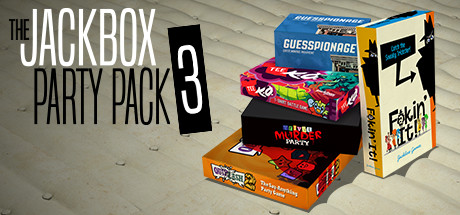
...moreless
Players join through phones or browsers, making it easy for a mixed group to participate locally or over voice chat. The pack is not co-op progression; it is social, comedic, and competitive party play. Keep it visible for party-night discovery and away from serious co-op filters.
...moreless
Pax Dei fits the large-group survival/MMO overlap: a 5–8 player group can build a homestead, divide crafting roles, gather materials, explore, and participate in clan-scale goals. It should be tagged as MMO sandbox/community-building rather than ordinary private-server survival.

...moreless
Oops Unit is a 1–6 player co-op candidate, likely strongest for groups that enjoy communication-heavy chaos. Keep as candidate until release status and mode details are confirmed.

...moreless
Angels Fall First is more ambitious than a normal arena shooter: players can fight on foot, pilot vehicles, board ships, and participate in space-and-ground objective battles. The group fit is large-server PvP or bot-supported battles, not co-op campaign progression. It should be shown as a niche large-scale shooter with activity/population caveats rather than a mainstream co-op option.

...moreless
Players gather minerals, manage survival needs, build habitats and vehicles, craft weapons, and explore dangerous planetary environments. A group can work together on base expansion, expeditions, and defense if multiplayer support is available. Because the game has a rocky development/support history, keep its recommendation status cautious.
...moreless
Master of Orion fits the database as a 5+ strategy candidate for players who want turn-based space empire sessions. The group experience is usually competitive or alliance-driven rather than co-op PvE. It should be framed as a slower strategy-night pick, with current multiplayer stability worth checking.
...moreless
Cobalt is built around stylish movement, dodging, shooting, grenades, deflections, and quick arena/platform combat. For 5–8 players, its value is party-style action and custom/local multiplayer rather than campaign co-op. It should be categorized as party/action PvP unless a specific co-op mode is verified.
...moreless
Tibia is one of the oldest still-relevant MMO entries. Groups can hunt, quest, join guilds, and coordinate around bosses or PvP depending on server rules. Its appeal is old-school persistence and danger, not modern presentation.
...moreless
Groups can hang out, visit rooms, roleplay, or participate in social activities, but there is no traditional co-op campaign or mechanical progression loop comparable to games in the main catalog. Keep it in MMO/social edge-case filters. It should not appear when users are searching for gameplay-heavy co-op.
...moreless
Endless Space 2 has players colonize systems, design fleets, manage populations, negotiate, research technology, and pursue faction-specific goals. For 5–8 players, it works best as a scheduled strategy campaign with alliances, rivalry, and long decision cycles. The group fit is multiplayer empire-building rather than direct co-op missions.
...moreless
Players plant crops, harvest resources, raise animals, decorate the farm, unlock new items, and visit or help on shared farms. The group value is low-pressure coordination: people can tend different parts of a large farm without needing tight combat roles. It should be tagged as cozy farming/social building rather than survival crafting.
...moreless
Players gather resources, build frontier settlements, craft gear, tame horses, farm, and deal with threats or rival players depending on server rules. A group can roleplay or build a shared town, but current activity and stability matter. The record should clearly signal western survival sandbox and server dependence.

...moreless
Aion belongs in the MMO/faction-war lane. Groups can level together, run instanced content, and participate in Abyss-style faction conflict, but the experience depends heavily on the current regional version and server activity. It should be tagged as MMO and PvP-relevant, not ordinary co-op.

...moreless
Crusader Kings III is less about balanced matches and more about emergent stories: marriages, succession crises, rebellions, assassinations, claims, holy wars, and family drama. For a 5–8 player group, it can be excellent if the group wants a shared sandbox where alliances and betrayals unfold over many sessions. It should be presented as multiplayer grand strategy/roleplay, not conventional co-op.

...moreless
Because battle royale games often use smaller squad sizes inside large matches, the overall lobby count should not be confused with a true 5-player party. The card should show PvP-only/battle-royale context so users understand the limitation. Keep it as competitive group discovery, not co-op.

...moreless
Schedule I should remain mod-required for 5+ play. The base game identity should stay tied to its Steam page, while the mod fields explain the larger lobby workaround and native-versus-modded caps.

...moreless
Insurgency: Sandstorm emphasizes lethal weapons, suppression, limited HUD, careful movement, and objective control. Unlike pure PvP shooters, its co-op modes let groups fight AI through checkpoint-style scenarios and tactical objectives. It should be classified separately from PvP-only FPS games so co-op shooter filters can find it.
...moreless
Tabletopia is less of a physics sandbox than Tabletop Simulator and more of a curated digital tabletop platform. Group fit depends on the specific board game, rules implementation, account access, and player count. It should be cataloged as a tabletop platform, not a standalone co-op title.
...moreless
Foxhole is about thousands of players contributing to a persistent conflict through front-line combat, logistics, engineering, artillery, naval operations, base building, and supply chains. A 5–8 player group can form a small logistics crew, infantry squad, tank crew, or engineering team. It should be classified as war sandbox/MMO with PvP war context, not server co-op survival.

...moreless
The core experience is tense and communication-heavy: teams scout rooms, avoid sleepers, sync melee kills, manage ammunition, and prepare defenses before alarm waves. GTFO is very much designed around four-player balance, so larger groups should be flagged as a workaround rather than the standard game. This record should show both the base Steam page and the mod page/evidence when available.
...moreless
Beyond All Reason emphasizes macro strategy, map expansion, reclaiming wreckage, factory queues, and enormous battles that can involve many players. Groups can split into teams or cooperate against AI, with different players taking roles such as economy, air, navy, artillery, or front-line assault. If this overlaps with the BAR entry, the DB should eventually deduplicate or alias them.

...moreless
Convoy sessions let friends drive together, take jobs, coordinate routes, and treat the game as a shared chill simulator. The appeal is atmosphere, customization, maps, and conversation while traveling, not traditional co-op objectives. Keep it under simulation/racing-social filters and avoid mixing it with action co-op.

...moreless
Super Bomberman R 2 is relevant for larger groups because Bomberman modes are easy to understand and work well as competitive party play. Players trap opponents with bomb chains, grab upgrades, and survive shrinking arenas or mode objectives. It should show as PvP/party, not as cooperative 5+ support.

...moreless
Regular Human Basketball turns basketball into a slapstick control-room problem: players jump, press buttons, steer, launch, and argue while trying to operate a giant mech-like player. For 5–8 players, it is best as couch/party chaos with team coordination and low seriousness. It should be tagged as party sports.

...moreless
Garry's Mod is not inherently one genre. Its value for 5+ groups comes from the server browser and community modes: TTT, sandbox building, roleplay, hide-and-seek variants, horror maps, and private servers. The record should use sandbox/community-server tags instead of implying it is just a PvP FPS.
...moreless
Serious Sam 3 is a strong 5+ co-op shooter because the series is built around campaign chaos with many players. The fun comes from constant movement, target prioritization, weapon pickups, and surviving ridiculous enemy numbers together. It should be grouped with native co-op shooters, not competitive FPS games.
...moreless
Alien Swarm: Reactive Drop is a strong true 5+ co-op entry because it expands the Alien Swarm formula with more missions, marines, weapons, and larger co-op support. Players coordinate classes, cover angles, complete objectives, and survive dense alien attacks.
...moreless
Age of Empires II: Definitive Edition centers on villagers, economy management, tech choices, scouting, and army control across many civilizations. For 5–8 players, the best fit is team-vs-team play or human teams against AI where friends can split roles, coordinate attacks, and defend allies. The game is not campaign co-op in the usual sense, but it is a very strong group strategy option.

...moreless
ChilloutVR belongs in the social VR/platform lane. It can support larger groups through shared worlds and meetups, but it should not be presented as a structured co-op campaign or PvE game.

...moreless
Old World blends Civilization-style expansion with leaders, heirs, courtiers, ambitions, and event choices that change the political story of a campaign. For a 5–8 player group, it is best for scheduled strategy sessions where players can compete, ally, and react to character-driven events. It should be categorized as turn-based strategy rather than direct co-op.
...moreless
Players create block-built spacecraft, automate production, explore sectors, trade or fight, and participate in server economies or factions. A larger group can collaborate on shipyards, fleets, and faction infrastructure. The game should be described as a legacy/niche space-construction sandbox with current server health needing review.

...moreless
Squad is built around team coordination: squad leaders, spawn logistics, FOBs, transport, armor, mortars, infantry maneuvers, and radio communication. A 5–8 player group can join the same squad and have a strong coordinated experience, but the core mode is large-team PvP. It should be flagged as tactical/large-server FPS and separable from co-op shooters.

...moreless
Battlefield 4 remains a strong example of group-friendly competitive FPS because a squad can meaningfully coordinate around spawn points, classes, vehicles, and objectives. The group fit is same-team PvP, not campaign co-op. Tags should separate it from small-team co-op shooters and from tactical mil-sims.

...moreless
AdventureQuest Worlds is relevant as a lightweight MMO/social RPG rather than a conventional co-op campaign. Groups can meet in shared areas, work through quests or event content, and collect classes and cosmetics together, but the experience is more casual and grind/event-driven than tactical party play.

...moreless
Dungeon Looter belongs in the obscure native 8-player dungeon lane. It should be surfaced as a candidate/confirmed small-game discovery option, with follow-up review for polish, activity, and exact mode quality.
...moreless
Red Orchestra: Ostfront is a legacy large-server PvP shooter. The group value is historical team combat and coordinated pushes, not co-op. Because it is older, availability and active server population should remain review points.

...moreless
The Crew Motorfest continues Ubisoft’s open-world racing approach with festival-style playlists, car collections, and multiplayer activities. The group value is convoy play, races, and shared exploration rather than cooperative mission progression. It should be listed as open-world racing/social PvP.

...moreless
Golf With Your Friends is easy to understand: everyone putts through the same miniature golf course, tries to use fewer strokes, and deals with obstacles or modifiers depending on settings. It works well for 5–12 players because rounds are social and low-pressure. It should be tagged sports/party/PvP.

...moreless
Players collect resources, build village structures, assign production, farm, craft tools, and explore a historical countryside setting. A group can divide labor across construction, gathering, production, and travel. The card should highlight dynasty/village-building survival rather than generic sandbox language, with player cap kept source-reviewed.
...moreless
SuperTuxKart belongs in the non-Steam/open-source group catalog because it can support larger local sessions and is easy to access. It is competitive racing, not co-op, but useful for casual 5+ game nights.
...moreless
SCP: 5K is a genuine co-op shooter candidate rather than a PvP server filler. The group fit is clearing hostile facilities, managing tactical movement, and dealing with SCP-themed threats. Because the database lists exactly five players, it is especially relevant for groups just above the usual four-player cap.

...moreless
Neverwinter is a reasonable MMO fit for groups that want D&D theming and accessible action combat. Friends can level, queue for dungeons or events, join guilds, and work through campaign progression, though activity caps vary. It should be tagged as MMO/action RPG rather than tabletop-style tactical play.

...moreless
Each survivor plays differently, and the run escalates as items stack into powerful or ridiculous builds. Official balance centers on smaller co-op groups, so 5+ play depends on modding and should be shown as mod-required. The record is valuable because it is exactly the kind of game a 5-person group might try to make work.

...moreless
Civilization V remains relevant for groups that prefer older Civ pacing and mod ecosystems. It supports large multiplayer sessions, but the experience is competitive or team-based strategy rather than a shared PvE campaign. Good UI labeling should make clear that sessions are long and planning-heavy.
...moreless
Eterspire belongs in the casual MMO discovery lane. It is relevant for social play and shared-world progression, but not necessarily for a structured 5-player co-op session. The card should present it as a simpler MMO option with platform/service details to review.
...moreless
The game centers on solo open-world exploration, story quests, character pulls, artifacts, and elemental combat, with limited co-op for some activities. Because normal co-op caps are below the 5+ target, it should not be shown as a confirmed large-group recommendation. Keep it only with clear caveats around shared-world/social relevance.

...moreless
MapleStory supports group play through parties, guilds, bossing, and shared event progression, though much of the leveling loop can be solo-heavy. It belongs in the MMO/social progression lane. The card should mention its 2D side-scrolling identity so it does not read like a generic fantasy MMO.
...moreless
For The King is normally below the 5+ target, but its tactical overworld, classes, dice-like resolution, and campaign structure are a strong group fit. Keep it as mod-required if using a larger-party mod, not as native 5+.

...moreless
Deceit is a party/social deception game, not cooperative PvE. The group fit comes from voice chat, suspicion, betrayal, and short rounds where not everyone has the same goal. It should be tagged horror party/social deduction/PvP rather than co-op.
...moreless
Insurgency is relevant because it can support coordinated group shooter play, including co-op against AI depending on mode/server. It should be distinguished from pure PvP FPS records: the right framing is tactical shooter with PvP/PvE mode split and server/mode-specific caps.

...moreless
Quiplash works because the content comes from the players: two people answer the same prompt, then everyone votes on which response is funnier. It is easy to teach, fast to play, and works well remotely through streaming. It should be categorized as party/social comedy, not co-op.

...moreless
Hardline is included as a group PvP option, not as a co-op game. Its modes and theme differ from mainline Battlefield, but the practical group fit is similar: friends join the same side and coordinate inside larger matches. Because availability and active population can matter, current source review is useful before giving it high prominence.
...moreless
Players explore the Forgotten Realms, make dialogue and quest decisions, build D&D-style characters, and resolve fights through turn-based tactics. The standard co-op party size is below the target, but mods can raise party limits for larger groups. The card should show the Steam/store page plus the mod page or mod lookup and label it as mod-required.

...moreless
Deceit 2 is for groups that like betrayal and deduction rather than shared progression. Players gather resources, accuse each other, and try to survive or deceive depending on their role. It belongs in social horror/party/PvP-ish tags, not normal co-op.
...moreless
Players explore islands, collect resources, build homes, catch fish, trade goods, and encounter other players in a persistent online space. A group can settle together and treat it as a casual survival/social server game, though PvP/server rules matter. The record should show server context and avoid overpromising structured co-op progression.

...moreless
Stellaris begins with exploration and colonization, then expands into politics, federation building, crises, warfare, species design, economics, and late-game galactic threats. For 5–8 players, it can be cooperative, competitive, or roleplay-heavy depending on group rules. It belongs in grand strategy/social sandbox discovery, not ordinary co-op.
...moreless
Path of Exile is strongest for groups that enjoy theorycrafting, seasonal leagues, loot farming, and long-term character progression. Players build around socketed skill gems, passive-tree choices, gear affixes, and endgame maps, so a six-person group can coordinate roles while still mostly playing flexible damage/build archetypes. The fit is native online co-op, but the pace and economy-heavy progression can be overwhelming for casual drop-in groups.
...moreless
The game is designed around long-life progression, local community routines, shopkeeping, crafting, relationships, and fantasy folklore rather than server-based group survival. If it remains in the DB, it should be marked for review and described as a life-sim RPG candidate. Avoid implying 5+ co-op unless there is a clear current source.
...moreless
The group value comes from guild play, world bosses, node wars, grinding spots, life-skill economies, and shared persistent-world activity. It can support large groups socially, but the exact activity fit varies widely. Keep MMO/PvP-risk flags visible so it does not appear like a friendly 5-player co-op campaign.

...moreless
Under Walls fits the six-player dungeon-crawler exception lane. Keep the copy conservative until source review confirms current availability, content depth, and how its online co-op works.
...moreless
Bad Company 2 is mainly useful as a legacy Battlefield-style group PvP entry. It offers strong squad identity and objective play, but current availability/server support should be treated as a review concern. Do not present it as a modern plug-and-play co-op recommendation without checking access.

...moreless
Elyon should be treated as a discontinued online-service record. Historically it fit the MMO/PvP group lane through shared progression, faction conflict, and dungeon content, but the official service shut down, so availability caveats are more important than group-size promises.

...moreless
The loop is familiar survival crafting: loot buildings, gather supplies, build or fortify a base, and manage zombie threats over repeated sessions. The group fit is a shared-world survival setup rather than a mission-based campaign. Keep it tagged as survival/zombie/server with current multiplayer details marked for review if not fully verified.

...moreless
Factorio is one of the cleanest large-group co-op fits because multiplayer naturally lets players split jobs: mining, rail design, oil processing, science production, defense, and expansion. The game is about turning a messy manual base into a sprawling automated system while managing pollution and alien attacks if enabled. For 5–8 players, the challenge is coordination and planning rather than combat roles.

...moreless
The Jackbox Survey Scramble is a strong 5+ party entry because it uses the standard Jackbox model: one shared screen, phones as controllers, and quick social rounds. It is not co-op, but it is highly relevant for large casual groups.

...moreless
Players build mobile walkers, harvest resources, craft gear, travel between zones, and engage in clan warfare or survival politics. A 5+ group can operate as a crew around shared vehicles and logistics, but the experience depends heavily on server rules and population. Tag it as survival MMO / PvP sandbox rather than plain server co-op.

...moreless
Heroes of Hammerwatch II is a strong fit for the Stolen Realm/Hammerwatch discovery lane, but current native support appears below 5 players. Keep it as a mod/config candidate only when the larger-lobby path is shown clearly.

...moreless
BeamNG.drive’s core experience is vehicle simulation and physics experimentation: driving, crashing, testing scenarios, and exploring maps with highly detailed damage modeling. The game is primarily single-player, but community multiplayer such as BeamMP can make larger group sessions possible. The record should not imply ordinary native racing multiplayer; it should flag mod/community-server dependency if used for 5+ play.

...moreless
Players assemble modular vehicles, test designs, complete expeditions or races, and iterate on machines until they work. A group can race, build collaboratively, or solve traversal challenges with different vehicle roles. The record should emphasize construction sandbox and multiplayer vehicle experimentation rather than survival crafting.
...moreless
Smokin’ Guns is a niche PvP shooter candidate. It can support larger groups if servers are available, but current install/source status should be reviewed. It is valuable as an obscure western FPS discovery record, not as co-op.
...moreless
This is a large-server PvP game for groups that want military communication and battlefield teamwork, not a co-op PvE shooter. A 5–8 player group can operate as a squad or vehicle crew while participating in a much larger match. Its catalog value is for coordinated tactical PvP groups, and tags should distinguish it from small-party co-op shooters.
...moreless
Core Keeper combines Terraria-like exploration with top-down mining, base decoration, gardening, fishing, automation, boss progression, and loot upgrades. For 5–8 players, it works especially well because the group can split into miners, builders, farmers, explorers, and fighters while sharing one world. It is one of the stronger native co-op discovery records.
...moreless
Tremulous is a PvP-only community-server candidate with a distinctive humans-versus-aliens structure. It supports group play through teams and servers, but it is old and likely requires extra setup. Keep it as legacy/asymmetric FPS, not normal co-op.

...moreless
Songs of Conquest belongs as a strategy multiplayer candidate because groups can play skirmish or campaign-style matches with exploration, town development, and army battles. It is co-op-adjacent only if teams or custom scenarios support that style; otherwise it is competitive fantasy strategy.

...moreless
Heroes & Generals should be treated as a shutdown/legacy record unless a current revival or successor path is verified. Historically it fit 5+ PvP group play, but it should not be shown as an active normal recommendation without service-status correction.

...moreless
Players take specialized roles such as helm, weapons, engineering, science, relay, or captain depending on scenario setup. It is more like a cooperative live-role bridge sim than a standard action game. Keep it in space/bridge-sim/co-op discovery with open-source/server setup caveats.
...moreless
The group value is joining the same battle, coordinating on teams, or playing custom/competitive tank matches. It should be tagged as PvP-only so co-op-focused users can filter it out. Keep it as a lightweight/browser-friendly PvP record with current availability reviewed as needed.
...moreless
War of Rights is more of a regiment/community-event PvP game than a casual shooter. It can support very large groups, but the experience depends on organized servers, commanders, and roleplay-like battlefield discipline. Tags should emphasize large-server historical PvP and community organization.
...moreless
Because the base game is single-player, all group value comes from the community mod and its current compatibility. The fit is niche but interesting: players who like deckbuilding can coordinate choices, routes, and run strategy. Keep it marked as mod-required and expose the mod lookup/page when possible.

...moreless
SYNCHRONY should be treated as expansion/workshop-style content for Crypt of the NecroDancer rather than an unrelated standalone game. Its catalog value is enabling up to 8-player rhythm-dungeon chaos for groups willing to use the expansion path.
...moreless
Zombie Panic! Source is asymmetric PvP/horror rather than normal co-op PvE. It can be fun for large groups because players shift between survivor and zombie teams, creating social tension and chaotic rounds. Tags should show zombie/asymmetric/PvP so it is not confused with co-op survival games.

...moreless
In Dale & Dawson Stationery Supplies, players are assigned office roles and move through a workplace completing or sabotaging tasks. Specialists want the manager to identify and fire slackers, while slackers try to blend in and outscore or mislead the office. It belongs in the catalog as a social deduction party game for larger groups, with adversarial play clearly signaled.

...moreless
Robocraft's appeal is building unusual combat vehicles from parts and testing them in team battles. For 5–8 players, the fit depends on grouping and mode support, but the experience is competitive vehicle combat rather than cooperative PvE. It should be kept out of co-op filters unless the user enables PvP or broader group-play results.
...moreless
The game centered on guilds, sieges, open-world PvP, crafting, and faction identity in a low-fantasy medieval setting. If retained in the DB, its value is historical/discovery context and any current private/community-server path, not a normal playable co-op recommendation. The description should flag service-status review instead of implying a live hosted-world survival option.
...moreless
Scythe supports the catalog as a 5-player competitive strategy/tabletop option. It is not co-op, but it gives a larger group a slower strategic alternative to action-heavy multiplayer games.
...moreless
Players gather blocks and materials, craft tools and decorations, build bases, raise plants or animals, and explore for loot and secrets. Its group fit would be casual sandbox building and resource sharing rather than structured co-op missions. Keep player-count compatibility under review, but make the card clear that the game is a 2D crafting sandbox.

...moreless
VRChat is not a traditional game recommendation, but it is a strong 5+ group platform. The value comes from social rooms, custom worlds, minigames, events, and persistent communities rather than campaign progression. It should be tagged as social/VR/platform and not confused with MMO RPG entries.
...moreless
Space Engineers focuses on construction, physics, power systems, mining, welding, ship design, and emergent survival or conflict. Groups can divide into miners, builders, pilots, engineers, and explorers while maintaining a shared base or fleet. It should be tagged sandbox/engineering/server co-op, not generic survival boilerplate.

...moreless
Runbow’s core gimmick is that platforms vanish when they match the changing background color, forcing players to race, jump, and react quickly. Large groups can play frantic party races and arena modes, making it a good fit for local or online group nights. It should be framed as party platforming, with competitive play as the main signal.
...moreless
Dysterra should be tracked as a server survival/PvP candidate with current-service caveats. A group could use it for base-building and combat on multiplayer servers, but active population, server availability, and exact PvE/PvP structure should be verified before recommending it strongly.

...moreless
Wayfinder needs careful wording because its service model changed significantly. The useful group fit is action-RPG combat, character progression, missions, loot, and co-op play, not a persistent MMO in the original sense. The record should be reviewed so tags reflect the current Echoes-style version rather than outdated MMO assumptions.

...moreless
Enlisted feels larger than the number of human players because each player commands AI squadmates. A friend group can coordinate on the same side across infantry, tanks, aircraft, and objectives, but the core loop is still competitive PvP. It should be tagged as PvP/large-battle shooter with squad-AI framing.

...moreless
Groups can race together, run private events, or organize seasons, but the experience is fundamentally competitive. The card should surface racing/PvP signals and avoid implying standard co-op. Current player-cap and platform details should be verified for the specific edition being tracked.
...moreless
Torchlight II works well for groups that want a lighter, faster ARPG than Path of Exile or Grim Dawn. Players choose distinct classes, send pets back to town, collect randomized loot, and clear story zones or dungeons together. Its six-player native cap makes it one of the cleaner fits for a full medium-sized co-op group, though its progression is more straightforward and less endgame-heavy than modern ARPGs.
...moreless
The group fit is joining the same team, organizing private matches, or playing competitive lobbies together. Users looking for cooperative campaigns should be able to filter it out with PvP-only tags. Keep it as a PvP shooter record with current activity and mode support reviewed separately.

...moreless
The pack works best when a group wants rotating social games over Discord, couch play, or streaming, with each included game having its own player and audience limits. It should be categorized as party/social rather than traditional multiplayer co-op. The card should emphasize easy large-group participation, not RPG-style progression.
...moreless
For the catalog, Medal of Honor (2010) is a legacy PvP multiplayer record. Its relevance to a 5+ group depends entirely on current availability, server support, and whether multiplayer can still be accessed. The description should not overpromise modern playability without review.

...moreless
Tabletop Simulator provides the virtual table, pieces, scripting, workshop mods, and multiplayer room; the actual gameplay can be board games, RPGs, social deduction, wargames, card games, or custom creations. For 5–8 players, it is extremely flexible, but it should be treated as a platform/sandbox rather than a single co-op game. Store/mod links and game-specific workshop content may matter for user expectations.
...moreless
Fortnite should not be reduced to a generic FPS or a simple PvP-only record. Battle Royale is competitive, but Creative/UEFN can include co-op PvE, party games, racing, horror maps, and large custom experiences. The database should treat it as a platform-like group-play ecosystem with mode-dependent tags, not one fixed genre.
...moreless
The core loop is solo exploration, story progression, character pulls, echo farming, and action combat. Any multiplayer relevance is limited compared with true co-op or MMO games. If retained, mark it as MMO-lite/social-adjacent at best and avoid promising larger group play.
...moreless
Teeworlds is built around fast movement, grappling, shooting, and community-hosted modes such as deathmatch, team deathmatch, and capture the flag. It works for groups that want a free, low-spec PvP game with server support. It should be tagged 2D shooter/PvP/server.
...moreless
Age of Conan is a legacy MMO entry whose value for a 5+ group comes from shared leveling, dungeon runs, guild activities, and PvP rather than one fixed party format. It should be treated as an MMO option with current-population and server-health caveats, not as a modern curated recommendation.
...moreless
Titan Quest is slower and more traditional than modern live-service ARPGs, but it remains a good group option because its campaign, loot drops, dual-mastery classes, and monster-heavy zones work naturally in multiplayer. The Anniversary Edition combines the classic game and Immortal Throne with modern fixes, while expansions add more regions and classes. For a 5–6 person group, the appeal is a long co-op campaign with flexible builds rather than a seasonal endgame treadmill.

...moreless
The Forest mixes open-world survival with story-driven cave exploration and escalating enemy pressure. Groups gather resources, build defenses, craft weapons, explore underground areas, and uncover the island's mystery. For 5–8 players, it works as tense cooperative survival with shared building and scary expedition moments.
...moreless
Players build teams, progress through story chapters, run turn-based combat modes, farm relics, and collect characters. Its relevance to Co-op Your Group is weak because it is primarily a single-player/account-progression game with social features rather than group co-op. The record should be reviewed for removal or reclassification unless there is a specific group-play reason.

...moreless
Players build homes, craft gear, gather resources, tame animals, trade, explore islands, and interact with a persistent online economy. A 5+ group fits as a guild or settlement crew, with shared crafting and combat goals. Use MMO/sandbox tags and verify current population/service health separately.

...moreless
Human: Fall Flat gives players intentionally clumsy controls and sandbox-like puzzle levels that reward experimentation, teamwork, and slapstick failure. A larger group can spread out, try different solutions, or simply cause chaos while progressing through shared levels. It should be described as cooperative physics puzzle-platforming rather than competitive party play.

...moreless
The experience emphasizes mood, movement, social gestures, seasonal content, and shared spaces more than traditional quests or fights. Group mechanics can be unusual compared with standard lobbies, so the card should frame it as social MMO-lite and verify exact party behavior. Keep it separate from action co-op filters.
...moreless
Battle for Wesnoth is a strong free strategy option for larger groups, especially through custom multiplayer maps and scenarios. It should be framed as strategic competitive/team play rather than simple co-op.
...moreless
Warfork is an open/legacy-style PvP shooter for groups that enjoy high-speed arena combat. A 5+ group can use servers for matches, but there is no cooperative adventure loop. Tag it as arena_shooter and PvP-only.
...moreless
Battlefield 2042 is relevant to larger groups because its big-team structure can absorb several friends on the same side. It is not a co-op campaign game, and group fit depends on matchmaking, party limits, and server/custom mode behavior. The database should treat it as large-server PvP FPS, with any bot/custom-mode caveats handled separately if verified.

...moreless
Metin2 is a legacy MMO entry whose group fit comes from guilds, grinding parties, PvP, and boss/dungeon activity. Its current usefulness depends on official or regional server availability. It should be presented as old-school MMO discovery, not a polished modern co-op recommendation.
...moreless
The game aimed for Terraria-like progression with sci-fi equipment, planetside construction, hostile creatures, and resource gathering. Because it is an older/rougher entry, the catalog should avoid presenting it as a straightforward modern co-op option. Keep the description specific to its 2D sci-fi sandbox concept and use review fields to flag uncertainty around current 5+ group viability.
...moreless
Xonotic is a strong free option for groups who want Quake-like arena matches without a commercial platform. It supports server play and bots, but it is not co-op. The card should be concise: open-source arena shooter, PvP, server-based.
...moreless
Gang Beasts is driven by slapstick physics and short arena fights: players punch, grab, climb, and shove each other around moving trucks, rooftops, elevators, and industrial hazards. Its 5+ value is casual party combat where outcomes are funny even when players are not skilled. It should be tagged as party brawler/PvP, not co-op progression.
...moreless
Palia is useful for larger groups because it supports a social shared-world structure rather than a fixed four-player campaign. Friends can gather resources, visit spaces, decorate, fish, cook, and progress through cozy life-sim activities together, though exact party/activity limits may vary. It should be tagged as cozy MMO-lite, not ordinary farming co-op.

...moreless
Players use an airship as a mobile base, gather materials from towers and debris, craft tools, manage survival needs, and investigate a post-collapse world. The fantasy is mobile-base exploration more than static settlement survival. Keep the description game-specific, but treat 5+ compatibility cautiously unless the current build/source confirms it.

...moreless
Satisfactory works well for medium groups because there is always something useful to do: scouting resources, building factories, designing power grids, laying transport routes, or cleaning up production bottlenecks. It has less constant pressure than survival games, so groups can treat it as a long-running shared construction project. The multiplayer fit is strongest for players who enjoy engineering, building, and self-directed goals.

...moreless
Spectre Divide’s core idea was “duality”: each player controlled two paired bodies and could reposition between them during tactical rounds, creating unusual angles and setups for a 3v3 shooter. The group fit would have been six-player private or two-team play, but the game and studio announced shutdown, so the database should clearly frame this as a legacy PvP entry if it remains included.

...moreless
Brighter Shores fits the MMO lane for groups that enjoy slower skill progression, social play, and long-term account goals. It is not a fixed-party co-op campaign; the value is that friends can progress in the same world, compare professions, and join the same MMO ecosystem.
...moreless
Drawful 2 is less about drawing skill and more about comedy, bluffing, and reading the room. One player draws a strange prompt, others invent fake titles, and everyone votes on what they think the original prompt was. It is a strong 5+ party entry, especially for mixed-skill groups or remote screen-share nights.
...moreless
Pirate101 is a niche but useful group record because its combat is tactical and party-like rather than normal MMO hotbar combat. Friends can quest, build crews, and progress through story content together, though current activity limits and account model should be reviewed.

...moreless
Players loot settlements, fight AI patrols and other players, build bases, trade at safe zones, and take on missions in a hostile open world. A group can work as a squad for raids, defense, and resource runs, but server rules and population define the actual experience. Tagging should emphasize survival shooter, PvPvE, and server-based play instead of generic co-op survival.

...moreless
The First Encounter is classic Serious Sam: simple objectives, wide arenas, enemy swarms, weapon pickups, and escalating chaos. It is a strong native co-op entry for large groups that want action over progression systems. It should be tagged as campaign co-op/wave-heavy shooter.
...moreless
Bombergrounds: Reborn belongs in the catalog as a PvP group option: several friends can join the same ecosystem, but the core loop is battle royale/arena competition. It is not co-op PvE, so it needs visible PvP-only framing to avoid confusing users looking for team progression.
...moreless
Players can divide responsibilities across fields, animals, hauling, equipment purchasing, and production logistics on a shared farm. The game works well for groups because many tasks can happen in parallel without everyone needing to do the same thing. Keep it tagged as simulation/co-op/server-friendly, not party or PvP.
...moreless
MU Online is included as a legacy MMO discovery record. Groups can party for leveling, events, and guild activity, but the exact experience varies heavily by server and version. It should be marked as old-school MMO rather than standard co-op ARPG.
...moreless
Duck Game rounds are short, silly, and skillful: players grab guns, swords, mind-control rays, nets, and other absurd tools while trying to be the last duck alive. For 5–8 players, it is a strong party game when larger lobbies/modes are available, but it should be flagged as competitive party play. It is not a co-op recommendation.

...moreless
Goose Goose Duck expands the familiar crewmate/impostor formula with many special roles, lobbies, maps, and win conditions. Groups can play deception-focused matches where discussion and timing matter more than reflexes. It belongs in the catalog as party/social deduction with PvP deception, not cooperative PvE.

...moreless
Predecessor puts MOBA structure into an over-the-shoulder action format: players choose heroes, lane, farm, contest jungle objectives, and coordinate pushes into the enemy base. For Co-op Your Group, the useful signal is full-team PvP support: five friends can play together on one side, while larger groups may split teams in customs. It should be categorized as PvP/team MOBA.

...moreless
The base game is designed as a single-player precision exploration platformer, so multiplayer changes the intended experience substantially. This record is useful for breadth and mod discovery, but it should carry strong setup/compatibility caveats. Show mod information directly when available.
...moreless
Battlefield V supports group play through same-squad coordination in large team matches. Friends can divide class roles, build fortifications, operate vehicles, and push objectives together, but the main experience remains PvP. It should carry clear large-server and PvP tags.

...moreless
Aground blends survival-adjacent gathering with side-view RPG progression: mining, crafting, quests, farming, settlement development, vehicles, and eventually broader world/space progression. The DB includes it as a potential larger-group option, but exact current multiplayer limits and platform support should be verified before presenting it as a clean recommendation. Use cautious candidate language.

...moreless
The game supports many heist styles, from stealthy casing and bag-moving to loud firefights with specialized builds and perk decks. Official balance revolves around a four-person crew, so 5+ play depends on community larger-lobby mods and should be presented as a workaround. The card should show the base Steam page plus the mod evidence, not just one or the other.
...moreless
Crowfall should not be shown as a currently normal playable MMO without caveats. Its official service was shut down, so its record is useful mainly as history, private/community revival context, or data cleanup evidence. Any card should clearly flag availability concerns and avoid presenting it as active co-op.
...moreless
Freeciv is highly relevant for large strategy groups that are comfortable with old-school interfaces and long sessions. It supports big multiplayer games, but the experience is competitive or diplomatic 4X play. Treat it as free/open-source strategy, not quick co-op.
...moreless
Outward is slower and more punishing than many RPGs: players manage backpacks, weather, diseases, food, stamina, and difficult fights while exploring the world. Official co-op is limited, so 5+ play depends on mods such as larger-party or raid-style setups. The UI should show both the base game store page and the mod requirement clearly.

...moreless
Skyforge fits the MMO-lite/action-RPG lane rather than traditional open-world MMO play. Friends can run group content and events, while progression is built around class unlocks and account systems. Current population and platform status should be reviewed before high visibility.

...moreless
Terraclysm Survivors is important because survivors-like games are often solo or low-cap. Keep it as a candidate 8-player discovery record until the current Steam/source details are reviewed for release status and mode accuracy.
...moreless
Wolfenstein: Enemy Territory is a PvP large-server record. Its appeal for groups is joining the same side, coordinating classes, and pushing map objectives through community servers. It is historically important and still discoverable, but it should be tagged as legacy PvP/team FPS.

...moreless
The loop is simple: watch a strange clip, write a replacement line, hear the results played back, then vote. It works best with friends who enjoy joke-writing and low-pressure party games. For Co-op Your Group, it belongs in party/social discovery rather than co-op or campaign categories.
...moreless
Line of Sight should be handled as a legacy PvP shooter candidate. It may have once supported larger groups through team matchmaking or rooms, but current service availability and player population need checking. Do not present it as a reliable co-op pick.
...moreless
PULSAR: Lost Colony asks players to crew the same starship, manage systems, explore sectors, fight enemies, board stations, and make group decisions about missions and upgrades. It works especially well for a 5-person group because each player can occupy a distinct ship role. It should be tagged space sim / crew co-op / online co-op.
...moreless
Players run story missions, control points, strongholds, seasonal activities, Dark Zone encounters, and endgame gear farms while refining builds and roles. Standard squads may be smaller than 5, but raids and social grouping make it relevant to larger communities. The card should present it as MMO-lite looter shooter with activity-specific caps, not pure 8-player co-op everywhere.
...moreless
Endless Legend stands out because each faction plays with unusual rules, from necrophage expansion to cultist city design and quest-driven progression. A 5–8 player group can use it for competitive or semi-cooperative empire building, but sessions are long and turn-based. It belongs in the group strategy lane rather than direct co-op PvE.

...moreless
Modern Warfare III is relevant when a group wants COD-style shooting with larger multiplayer or Zombies-adjacent modes. The database should describe it as mode-dependent because full-group fit changes between standard multiplayer, Zombies, private/custom formats, and seasonal playlists. Do not show it as simple native 5+ co-op without mode context.

...moreless
Mabinogi is useful for groups that want a social sandbox MMO rather than a strict combat ladder. Friends can run dungeons, craft, trade, perform music, progress life skills, or roleplay in the same world. It should be tagged as MMO/life-sim sandbox, not ordinary action co-op.

...moreless
Riders Republic lets players move between multiple outdoor sports disciplines across a shared map, joining races, tricks events, and large mass races. The group fit is social sports chaos and competitive events rather than co-op progression. It should be categorized as sports/racing/open-world PvP/social.

...moreless
The Outward formula emphasizes backpack preparation, weather and survival considerations, deliberate combat, faction journeys, and exploration where failure matters. A group entry for the sequel should be cautious: describe the expected survival RPG appeal but do not assume 5+ compatibility unless a source confirms it or a mod path exists.
...moreless
Due Process is a PvP tactics game built around planning and communication. Its value for a 5-person group is playing as a full side, while bigger groups may use private matches or split teams. It should be filtered as PvP tactical shooter, not co-op.
...moreless
Lineage W fits the mobile/cross-platform MMO category. It supports social group play through clans, world bosses, and PvP-heavy progression, but may be less appealing for users looking for PC-native co-op. The card should surface MMO and PvP/guild-war context.
...moreless
Albion is a strong large-group MMO fit because nearly every activity scales socially: gathering parties, guild logistics, faction warfare, roads, dungeons, black-zone roaming, and economy projects. A 5–8 player group can play as a small guild cell, but PvP risk and full-loot rules should be clearly surfaced for users.
...moreless
Players build squads of agents, clear combat stages, follow story arcs, and farm progression materials. The game is primarily personal/account based, so its group-fit value is low unless future modes add meaningful multiplayer. This record should be reviewed carefully and should not be surfaced as a normal co-op recommendation.

...moreless
Operation: Harsh Doorstop is a 5+ group option only in the sense that friends can join larger team battles or community servers. It should be visibly marked as PvP/large-server FPS, not as co-op. Its value is squad coordination inside bigger matches and mod/community-map support.
...moreless
Defiance 2050 should be handled as a legacy/unavailable online-service record unless a current server path is verified. Historically it fit groups through shared-world events and shooter progression, but online shutdowns make availability the main user-facing issue. Do not present it as current co-op without review.
...moreless
World of Warcraft is one of the clearest MMO fits for 5+ groups because dungeons, raids, guilds, PvP, and world content give friends many shared goals. The exact activity cap varies by mode, but a 5-person group maps cleanly to standard dungeon structure. It should be tagged as MMO, not simple co-op.

...moreless
Hell Let Loose is useful for groups that want to join the same side of a large PvP battlefield and coordinate as a squad. It is not co-op PvE; the group value comes from communication, roles, map control, spawn placement, and operating within a much larger team. A 5–8 player group can fit naturally as one infantry squad or split across support roles, but it should be tagged as PvP and large-server FPS.
...moreless
Players captain ships, take contracts, gather materials, upgrade vessels, fight naval battles, and interact with a shared online world. Group fit comes from sailing together for events, contracts, or PvP/PvE activities, not from building a hosted survival base. The record should use naval MMO-lite/action framing and verify actual party/activity limits.

...moreless
The game offered open-world exploration, custom item and vehicle creation, base construction, and combat against alien creatures. Because it is older and its online/multiplayer state may be limited, do not present it as a straightforward current co-op option. Keep it as a discovery record with clear source review needed.

...moreless
Star Trek Online supports groups through story episodes, task force operations, fleets, events, and shared account progression. The appeal is Star Trek fantasy and ship builds as much as conventional MMO grouping. Activity caps vary, so the card should be MMO/activity-specific rather than generic 5+ co-op.
...moreless
Fantasy Grounds Unity is included as a tabletop group-play option because it supports the actual needs of a 5+ RPG group: hosted sessions, rule modules, maps, dice rolls, combat tracking, and persistent campaign material. It is not a native co-op adventure game; the value is that one GM and several players can run D&D-style or other tabletop campaigns remotely with stronger automation than a simple video call.

...moreless
Untrusted fits the 5+ group catalog as a social deduction/strategy title. Players argue, investigate, mislead, and use role abilities in a hacker-themed setting. Its group fit is strong if the current service/community is active, but it should be tagged PvP/social deduction.

...moreless
Blade & Soul is included as an MMO/action-RPG option where a group can level, run dungeons, and participate in shared events or PvP. Its strongest differentiator is the martial-arts combat style, but current regional population and service status should be reviewed before treating it as a high-confidence recommendation.
...moreless
Players gather resources, build structures, craft tools, explore islands and caves, and use monkey helpers to repeat tasks or support combat. It is a charming survival-lite co-op game, but the DB should be careful if listing it for 5+ groups. Use accurate island-survival/automation framing and rely on status fields for compatibility limits.
...moreless
WildStar should be treated as a discontinued MMO record. It historically offered strong group content, raids, housing, and distinctive combat, but official servers shut down in 2018. The card should not imply current availability unless a community revival path is being specifically tracked.
...moreless
Players build settlements, gather resources, craft equipment, farm, trade, and run into PvE/PvP systems shaped by server rules. The group appeal would be forming a posse or town project, but the game’s activity and support history make it risky as a recommendation. Keep it as a broad catalog entry with explicit candidate status.
...moreless
This record needs source review because the exact product/path is unclear. Keep the description conservative: Twilight Imperium is group-scale competitive diplomacy and empire-building, but the DB should verify whether this entry means an official digital game, Tabletop Simulator, async platform, or another implementation.
...moreless
Soulmask emphasizes survival crafting, base construction, mask powers, tribe management, NPC recruitment, automation, combat, and exploration. For a 5–8 player group, the fit is a shared settlement/server loop with players dividing resource, crafting, scouting, and combat responsibilities. It should be framed as server survival/tribe management rather than simple session co-op.

...moreless
Black Desert fits a 5+ group through guild activities, world bosses, grinding, life-skilling projects, and large PvP systems rather than fixed dungeon-party play. It is a deep, systems-heavy MMO with strong solo progression, so the card should explain that group fit is social/MMO-driven instead of a simple co-op campaign.

...moreless
Natural Selection 2 is a large-team PvP game, not co-op. It remains useful for 5+ groups that want coordinated team play, but should be tagged as PvP/large-server or team-strategy shooter rather than cooperative campaign play.

...moreless
Enshrouded mixes voxel base building, gliding, action combat, class-style builds, crafting stations, exploration, and progression through the Shroud. For 5–8 players, it works as a shared adventure world where friends can split between building, resource gathering, questing, and combat roles. It is a strong native co-op survival/RPG candidate for groups.

...moreless
Dig, Dig, Die should be framed as a candidate because its exact loop and release state need review. The listed 1–6 player support makes it relevant for groups looking for horror/extraction-style alternatives.

...moreless
The game’s original design split players into factions competing through survival crafting, PvE progression, base building, and PvP sieges. If retained, it belongs in historical discovery or abandoned-game tracking. The description should make clear that current availability needs review and should not imply an active co-op server scene.

...moreless
Marvel Rivals uses hero-shooter structure with characters filling different combat roles, team-up abilities, and map objectives. For a 5–8 player group, the main value is getting most or all of a side together for PvP matches, with extra friends rotating or joining custom modes where available. It should show visible PvP/team-shooter signals instead of being mixed into standard co-op browsing.
...moreless
Players explore procedurally generated areas, collect materials, build bases, craft gear, and progress characters through combat and skills. The game belongs in the sandbox RPG lane rather than generic survival crafting. Keep the group-fit language conservative: useful for discovery if multiplayer/server play supports the group, but it needs a current source review for 5+ compatibility.
...moreless
Spring: 1944 should remain a niche community RTS candidate. It may support large multiplayer through the Spring ecosystem, but install path, current community activity, and exact player counts deserve review. It is best tagged as community/open-source strategy.
...moreless
Dark Age of Camelot is a legacy MMO where group value comes from parties, guilds, and large RvR battles rather than modern matchmaking. It remains notable because realm warfare is central to the design. A 5–8 player group can operate as a small PvP group, dungeon party, or guild unit depending on server rules and activity.
...moreless
Pantheon should be treated as a candidate/watchlist MMO unless current release access is verified. Its relevance to Co-op Your Group is clear: it is explicitly aimed at old-school group play, class interdependence, and party-based exploration. The card should still avoid implying stable full release if that is not current.

...moreless
Trackmania is less about car combat or simulation and more about shaving milliseconds off tight, stunt-heavy tracks. Groups can race together on servers, compare times, and rotate through community tracks quickly. It should be tagged as racing/time-trial/PvP or social competition, not co-op.
...moreless
No More Room in Hell is a strong 5+ PvE fit because it was built around cooperative survival rather than competitive shooting. Players scavenge carefully, complete map objectives, manage limited supplies, and can be punished hard by infection and friendly fire. It is older and rougher than modern co-op horror, but very relevant for large groups.
...moreless
Players expand borders, gather resources, build armies, research through historical eras, and fight over the map in skirmish-style matches. It is not co-op PvE by default, but team games and free-for-all matches can support large friend groups well. Keep it in strategy multiplayer, not campaign co-op.
...moreless
No More Room in Hell 2 is aimed at groups that want horror survival teamwork instead of arcade horde shooting. Players are expected to scavenge, survive, complete objectives, and escape while dealing with limited information and serious consequences. Because it has had an evolving early-access/release state, current reviews and mode details should stay source-reviewed.
...moreless
Haven & Hearth is slow, deep, and community-driven: players settle wilderness areas, gather materials, craft, farm, build villages, trade, and sometimes deal with hostile players. The group fit is long-term settlement play in a persistent online world. It belongs under sandbox MMO / survival MMO with PvP-risk context where appropriate.

...moreless
Players combine masteries, tune damage and resistance builds, farm gear, and push through campaign and endgame challenges. For Co-op Your Group, the important point is the workaround: larger groups may use 8-player support/difficulty-scaling mods, so the card should show both the base game page and the mod evidence. Mark it clearly as mod-required.

...moreless
DayZ puts players into harsh open maps where survival depends on food, medicine, navigation, stealth, gear, and human trust. A 5–8 player group can travel together, build stashes or bases, and survive as a squad, but other players are a major threat and the game is not a private co-op campaign by default. It should be flagged as server survival with PvP risk.
...moreless
Players gather resources, craft equipment, design hover vessels, small vessels, capital ships, and bases, then explore hostile planets and space sectors. A group can divide into builders, pilots, miners, and combat players while working toward faction infrastructure. The group fit is strong for server-based sci-fi survival, with server settings and scenario choice shaping the experience.
...moreless
The game can fit 5+ friends if they want to join large battles or organize around competitive modes, but mode-specific squad limits may still split the group. The card should show PvP/PvPvE and large-shooter signals clearly. Do not let it appear in pure co-op-only results without those warnings.

...moreless
iRacing is closer to a motorsport service than a casual game, with scheduled races, ratings, hosted sessions, team/endurance formats, and a strong focus on clean driving. For a 5+ group, the appeal is league organization, private hosted sessions, or joining structured series together. It should be tagged as racing sim/PvP/service-based.
...moreless
Black Ops 6 should not be treated as pure PvP if the relevant 5+ evidence comes from large modes, private matches, or Zombies-adjacent group play. The group fit depends heavily on the mode: standard parties may be smaller, while custom or larger multiplayer modes can support more friends. The record needs mode-specific tagging so it does not mislead co-op-only users.

...moreless
TrackMania² Stadium is useful for larger groups because racing servers and time-attack sessions can hold well over a standard four-player party. It is not co-op; the group fit is competitive racing, asynchronous leaderboard chasing, and private or public server sessions.

...moreless
Palworld mixes survival crafting, creature collection, base automation, weapons, boss towers, dungeons, and open-world exploration. A 5–8 player group can divide roles across base production, Pal capture, exploration, combat, and resource gathering. Server settings and platform limitations matter, so the record should keep clear support-path notes.
...moreless
Players can explore familiar regions, level characters, join kinships, and run group content with activity-specific caps. Its fit is especially good for groups that value atmosphere, questing, and MMO persistence over fast action. Keep it classified as MMO, with normal caveats that not every quest or instance supports the whole group at once.

...moreless
Paper Pirates is included for large local or remote party groups because it uses phones/controllers and emphasizes conversation over mechanical complexity. Players try to avoid blame, complete pirate-night chaos, and survive votes, so its group value comes from table banter and accusations rather than co-op progression.

...moreless
CryoFall is a better fit for 5+ groups than many survival near-misses because it is built around persistent multiplayer servers and shared colonies. Players gather resources, automate production, build defenses, and progress through tech tiers. It should be tagged server survival/colony, with PvP/PvE server rules clarified.

...moreless
Tome Improvement was added as an obscure 8-player dungeon/spellcasting candidate. Keep the record visible but marked for review because release state, content depth, and exact multiplayer stability need confirmation.
...moreless
Auto Chess is a group-play candidate because several friends can queue or lobby together, but it is not co-op. The fun is competitive drafting and strategy adaptation across rounds. It should be tagged as PvP/auto-battler so it does not show up as a co-op recommendation.
...moreless
Hordes.io belongs in the MMO/browser lane. It can handle a 5+ group socially through shared-world play, but users should understand it is an MMO-style grind/PvP environment rather than a private co-op campaign.

...moreless
Broken Ranks is a useful exception within the MMO list because its combat is turn-based and tactical rather than real-time hotbar MMO combat. A 5+ group may use it for shared progression, social play, and group fights, though exact activity caps still matter. It should be tagged as MMO plus tactical/turn-based where possible.

...moreless
Sins of a Solar Empire: Rebellion combines 4X expansion with real-time RTS combat. Groups can play team matches, free-for-alls, or AI comp-stomps where coordination around chokepoints, fleet composition, and economy timing matters. It remains a useful older strategy record for groups that enjoy long-form space warfare.
...moreless
Rising Storm 2 is strong for groups that enjoy communication-heavy historical PvP. Friends can coordinate infantry roles, helicopter transport, recon, and objective pushes in larger matches. It should be tagged as tactical/large-server/PvP, not co-op.

...moreless
ClusterPuck 99 plays like a stripped-down, hazardous party version of hockey or soccer: players dash, shove, avoid stage hazards, and try to move the puck into the enemy goal. Its 5+ value is direct and easy to understand for couch or local group play. It should be described as competitive arcade party sports, not co-op.
...moreless
Temtem is not a full party MMO in the usual sense, but it is useful for groups that like creature collecting and social progression. A full 5–8 group may not play every activity together, yet the shared online world, clubs, trading, and competitive systems make it relevant as MMO-lite discovery.

...moreless
Super Animal Royale belongs as a PvP group option rather than co-op. It can be fun for friends who want approachable battle royale rounds, but the group fit depends on squad size and custom/social play. Keep PvP-only or battle-royale labeling visible.

...moreless
Use Your Words has players submit funny responses to video clips, prompts, and wordplay setups, then vote on the best answer. Like Jackbox-style games, it works well locally or over screen share because players only need phones or browsers. It should be categorized as party/social comedy.

...moreless
Atlas expands the ARK-style survival formula into naval exploration: players gather resources, build ships, recruit crews, claim territory, fight creatures or players, and sail between regions. A 5–8 player group can function as a crew or small company, but the experience depends heavily on server population and rules. It should be flagged as large server survival/MMO-lite with PvP/PvE caveats.
...moreless
Renown should be presented as a server-based survival/PvP candidate, not a cozy co-op base-builder. The group appeal would be forming a clan, building defenses, and fighting in a medieval sandbox. Current release state, server caps, and PvE options should remain under review.

...moreless
NosTale belongs in the casual/legacy MMO lane. Groups can quest, join families, run raids, and progress characters, but the game is best treated as social MMO discovery rather than a modern co-op campaign. Current server and regional status should be checked during deeper review.

...moreless
Awesomenauts is useful for groups looking for lightweight team PvP rather than co-op PvE. A group can fill or split teams depending on lobby size, but the core structure is competitive lane pushing. Its card should mark MOBA/PvP clearly.

...moreless
Ragnarok Online 2 should be handled as a service-status/legacy record. It is relevant historically for MMO grouping, but current availability needs verification before it appears as a practical option. Keep the description modest and avoid presenting it as equivalent to the active classic Ragnarok ecosystem.
...moreless
The project is closer to a moddable platform than a single finished co-op game, so group fit depends on the modules and server setup being used. It may interest players looking for open-source voxel worlds, but it should not be marketed like a complete modern survival title. Keep its confidence conservative and server-oriented.
...moreless
Lineage II belongs in the old-school PvP MMO lane. A group can level, join clans, fight over bosses or castles, and participate in faction-like player politics, but it is not a casual co-op game. Current official/private server context should be reviewed carefully.

...moreless
The Beyond should be handled carefully because different modes may have different caps, including survival and larger raid-style play. It belongs in the candidate lane until release state and exact player-count-by-mode are verified.
...moreless
The core appeal is lighter and more relaxed than many survival games: players gather resources, build on flying islands, sail through the sky, and push back corruption. Because the record uses a server/config path, keep the card clear about the setup and avoid presenting it as a generic survival server clone. It belongs in cozy survival/building discovery.

...moreless
Feign is a good 5+ social deduction candidate because the experience depends on table talk, lying, deduction, and role knowledge. It is PvP/social rather than co-op, so it should be visible as a party deception game and not mixed into PvE filters.
...moreless
Munchkin Digital fits the catalog as a social tabletop option for larger groups. It is not co-op; the appeal is chaotic competitive card play, deals, betrayals, and quick tactical choices around monster fights and loot.
...moreless
Attack on Toys is a non-Steam/itch-style candidate for groups that like toy-box battlefield chaos. Keep as candidate because exact mode quality and current support should be reviewed, but the larger player count is relevant.
...moreless
The Hidden: Source is PvP/asymmetric horror-action, not co-op PvE. It can support a larger group in a single match, but the user-facing tags should make the hunter-versus-hidden structure obvious.
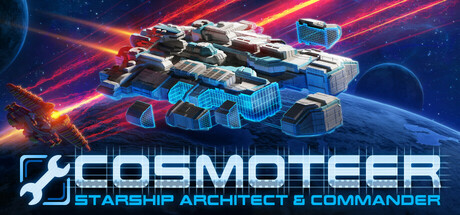
...moreless
Players design ships room by room, balance power and logistics, and test fleets in real-time combat. The group fit is more strategic and construction-focused than a traditional party co-op game. Keep it under space/strategy/sandbox with mode-specific player-count caveats.

...moreless
Hearts of Iron IV is about preparing for and fighting large-scale war: designing divisions, managing supply, assigning fronts, producing equipment, and coordinating air/naval/land operations. For larger groups, it can work well when players divide countries or factions, but it requires patience and planning. It is a strategy-campaign record, not a quick co-op game.
...moreless
Transformice is not traditional co-op, but it is a strong lightweight social group option. It supports large rooms, chaotic physics, player-made maps, and repeated short rounds that work well for casual larger groups.

...moreless
NBA 2K25 continues the series’ mix of simulation basketball, online play, and player/team progression. A 5+ group can potentially coordinate through team-based or league-style modes, but the exact experience depends heavily on platform and mode. It should be categorized as sports/PvP, not co-op.
...moreless
Players leave the village to gather materials, fight enemies, complete objectives, craft upgrades, and return to defend the Seed of Yggdrasil from nightly attacks and giants. A group can split between defenders, explorers, resource gatherers, and boss hunters. The description should highlight session-based village defense and action RPG progression.
...moreless
Solium Infernum is not co-op, but it is a strong 5–6 player competitive strategy option. A group plays through asynchronous or turn-based political warfare, forming temporary alliances while trying to become the ruler of Hell.
...moreless
Guild Wars 2 supports 5+ groups through open-world events, squads, guilds, WvW, strikes, raids, and social progression, while some instanced activities have specific caps. It is a good MMO entry for groups that want flexible drop-in play and less rigid questing. Tags should reflect MMO and activity-dependent grouping.
...moreless
Valheim gives groups a strong shared-world rhythm: gather materials, build halls, cook food, sail to new biomes, craft better equipment, and prepare for boss fights. Players can naturally specialize as builders, farmers, hunters, sailors, miners, or fighters. It should be treated as a high-quality native survival co-op record, not a questionable candidate.
...moreless
PICO PARK scales its puzzles around the number of players, asking the group to stack, time jumps, share keys, and solve simple coordination problems together. It is a strong fit for 5–8 players because every person is physically present in the puzzle space and can help or accidentally sabotage progress. It should be tagged as co-op puzzle/party rather than PvP.
...moreless
Roblox should not be treated as one normal game genre. It is a platform where individual experiences have their own rules, player caps, monetization, and quality levels. For Co-op Your Group, it is useful because many experiences support 5+ players and can be played casually together, but records should ideally point users toward specific experiences over time rather than relying on Roblox as a generic recommendation.
...moreless
Unvanquished is the cleaner modernized cousin to Tremulous-style gameplay. It supports group play through PvP servers and team coordination, but its core is competitive asymmetrical warfare. The card should show PvP/server tags clearly.

...moreless
WWII Online should be categorized as MMO/MMOFPS, not server co-op. The group fit is joining the same side in a persistent war and coordinating roles across a huge battlefield. It is PvP-oriented and long-running, so it needs MMO and PvP-visible tags.
...moreless
Guild Wars is not a traditional open-world MMO; it is closer to a highly structured online co-op RPG with towns as hubs and instanced missions. It is a very good historical group fit because team builds, missions, and party composition matter. The catalog should distinguish it from Guild Wars 2 and from persistent-world MMOs.

...moreless
Groups can coordinate deliveries, cruise together, compare trucks, and use the shared road as a low-stress multiplayer hangout. Player value depends on interest in simulation and pacing, not combat mechanics. Keep it classified as simulation/convoy/group-social play rather than racing or PvE co-op.
...moreless
DDO is a strong fit for groups that want dungeon-party MMO play. A six-person party can combine classic roles, solve quest objectives, handle traps, and progress through campaigns inspired by D&D settings. It should be one of the clearer MMO entries for 5–6 player groups because party dungeons are central to the game.

...moreless
Tree of Savior is useful for groups that enjoy build experimentation and old-school MMO grinding. The many class paths make it more interesting than a generic MMO record, but current population and version support should be reviewed. It should be tagged as isometric/class-build MMO.
...moreless
Corepunk is a candidate MMO entry rather than a proven group recommendation. Its hook is combining ARPG/isometric combat with MMO systems, exploration, and social progression. The record should stay review-tagged until release state, regional availability, and actual party caps are verified.

...moreless
America’s Army: Proving Grounds should be treated as a legacy tactical PvP record. It may fit groups that want team shooter coordination, but service availability and current player population require review. It should not be shown as co-op PvE.

...moreless
Unrailed! asks the group to constantly divide jobs: chopping trees, mining stone, crafting track, clearing paths, upgrading the train, and managing hazards before the engine reaches the end of the rails. It works especially well for 5+ players because communication and task assignment become the main challenge. It should be described as co-op logistics/party chaos rather than PvP.

...moreless
WARNO continues Eugen's large-scale tactical style with modernized systems, detailed unit decks, line-of-sight, morale, supply, aircraft, and combined arms. For 5–8 players, it works as a tactical team game where friends can coordinate sectors, pushes, and support. It belongs in strategy/tactics group play rather than PvE co-op.
...moreless
SMITE uses over-the-shoulder combat instead of the usual top-down MOBA camera, with gods filling roles such as guardian, hunter, mage, assassin, and warrior. Group value comes from building a coordinated team for conquest or other PvP modes. It is a strong 5-player PvP entry but should not be shown as co-op PvE.
...moreless
Descenders combines roguelite-style run structure with downhill biking, letting players build reputation, take risky lines, and chase trick or speed goals. Multiplayer support makes it relevant for groups that want to ride, race, or compare runs together, but the core loop is individual performance inside shared sessions. It should be tagged as sports/racing/PvP or social racing.

...moreless
War Thunder is not a standard FPS despite being in the shooter area of the DB. A group can squad up and progress through vehicle trees, but the core is PvP vehicular combat with MMO-like unlocks and match-based modes. It should use vehicle combat/MMO-lite/PvP tags rather than generic FPS.

...moreless
Knight Squad 2 expands the first game’s arena formula with more modes, weapons, and customization while keeping the same accessible party combat. Groups can play quick matches where the fun comes from hazards, power-ups, and sudden turnarounds. It should show as party/PvP, not co-op progression.

...moreless
Eight Dragons 2 is included for the same reason as the original: it is a rare beat-'em-up candidate for groups above the usual four-player cap. The expected experience is quick action, character variety, crowd control, and screen-filling melee chaos rather than long-term RPG progression. Keep the description modest until its exact current release state and store metadata are verified.

...moreless
Because Hogwarts Legacy has no native co-op, any group play depends entirely on mod maturity, installation, and compatibility. Treat this as experimental discovery rather than a normal recommendation. The card should clearly show the base game identity and the mod/workaround evidence separately.
...moreless
The unusual multi-character control system makes it stand out from many MMOs, while group fit comes from guilds, zones, and MMO content rather than normal lobby co-op. Because it is an older live-service title with multiple regional versions, the card should stay conservative. Keep MMO and service-review flags visible.
...moreless
AssaultCube belongs as a legacy/open-source PvP shooter. It can support 5+ players through servers, but the group fit is joining or hosting deathmatch/team matches, not co-op. It should be tagged PvP-only and open-source/community-server where appropriate.

...moreless
Conqueror's Blade is MMO-like but its group fit is closer to guild warfare and coordinated PvP sieges than questing together. Friends can organize as a house, queue into battles, control troops, and participate in territory campaigns. Tags should highlight PvP, siege warfare, and MMO-lite strategy-action.
...moreless
Zero-K emphasizes physics-driven units, terraformable terrain, factories, commanders, economy expansion, and large team battles. For 5–8 players, it can support team-vs-team play, human-vs-AI battles, and chaotic large public matches. It is an accessible free strategy option for groups that enjoy Supreme Commander/BAR-style games.